Oh boy, this has been a review that I’ve wanted to write for quite sometime. However, the nature of this review and the book itself has given me plenty of pause and plenty of food for thought.
I thought to myself, “is this really how I’m reviewing this book? Is this really my true and honest thoughts here?” And the more I thought, the more my thoughts began to crystallize. Despite my feelings, I was going to honestly review the book and not sugarcoat it.
Why the conflict about this particular review? Well, because the review is of House of Flame and Shadow by the one and only Sarah J. Maas. Now, I know what you’re all thinking. “But Joseph, you love SJM books, you have nothing but praise and adulation for her books. This is just going to be more of the same.” You’re right, but you’re also wrong at the same time.
Yes, I adore SJM’s books. They are amongst my favorite books of all time. They mean so much to me and have impacted my life tremendously. And it is true that I have nothing but glowing praise for all her books so far. However, House of Flame and Shadow does not live up to the usual standards.
Now don’t get me wrong, I still loved the book and enjoyed it. If any other author had written it, it’s a 10 out of 10. However Maas has set the bar so high for herself that even a good book can fall short. Because of the nature of this review there is a big old spoiler warning here because I’m going to mention things that are spoilers, though they do pertain to the nature of why this book falls flat. Well, here goes nothing I suppose.
HoFAS does not immediately pick up with Bryce in Prythian, but instead picks up with Lydia in Midgard. This sets the tone for the book. The book proceeds to move at near breakneck speed as our band of heroes go their separate ways, reunite then split again as they race to stop the Asteri.
There is a LOT going in in this book and if you aren’t used to fantasy or SJM books by now than it’s going to feel jarring. However, those of accustomed to this sort of thing are at home. There is plenty of subplots going in around the main and loose ends being tied up. And as usual, SJM does a fairly good job of tying to those loose ends. Sure there are some still left over, but I assume those will be answered in the later ACOTAR books or the other books set in the Crescent City universe.
As usual, the world is good, the twists and turns are good and the overall story is good. There is a lot of subtle nods to her other series’s and it’s really nice trying to catch those little Easter eggs.
The characters not named Bryce and Hunt really are given time to shine. Particularly Lydia, Ruhn and Ithan are given plenty of page time. Lydia easily steals every page she is on and I adore her character. She easily is one of my favorite SJM ladies of all time. Ruhn continues to play a major role in all of this and his story has a fantastic conclusion. Ithan, despite making some of the most bone headed decisions I’ve ever seen in a book character, at least sticks with his character and attempts to right his many wrongs throughout the book.
The scenes in Prythian and with the Night Court, though underwhelming to most, are fine with me. The book could have easily devolved into ACOTAR 4.5 but it did not. The scenes were good and the interactions intriguing. The ending scenes leave more questions than answers which will probably be answered in later books.
However, for the all the good this book has, it is now time address the major complaints with this book that I have. For starters, we have our leading lady Bryce. Dear God do I have a hard time with this character. Don’t get me wrong, she is not a bad character, but she is easily my least favorite of the SJM leading ladies.
She almost immediately gets off on the wrong foot with her interactions with the Night Court of Prythian when she arrives. Yes, I get that she hates the Fae, I understand that. But girl, you don’t have to be a total bitch to those trying to help you. From almost getting Azriel and Nesta killed, to the insufferable way she treats every character she comes across, Bryce’s mannerisms and overall attitude just rub me the wrong way.
Her decisions throughout the book just are not indicative of the character that we’ve seen in the previous books. There is a disregard for others even to the point of doing things without her mate. Bryce’s impulsive nature and overall “only I can save us” attitude really leaves a sour note in my mouth with regards to this book.
Whereas in previous books, I loved the stories of Aelin and Feyre, Bryce’s story doesn’t have that same feeling. She isn’t as likeable, she isn’t the same mold as Aelin or Feyre. There are a lot of times throughout this book where the character is unlikable and it’s semi frustrating as a reader.
Hunt sadly is relegated to the backburner in this book. The constant arguments and being separated from Bryce wear on him and again, we see a little backwards character development. Having Hunt relegated hurts considering his massive story potential.
For me, the biggest problem comes down to two problems. Number 1, the side characters are more likeable in this book than the main characters. People like Lydia, Ruhn, Hypaxia, all are for more likeable and relatable in this story. They have moments to shine and their stories are fascinating along the way. You feel more connected to those characters and their stories. They also aren’t total assholes the majority of the book. Sure, Bryce and Hunt are taking center stage most of the time, but when the secondary characters get their turn in the spotlight, their chapters are wonderful.
Problem 2 is something that SJM usually avoids but doesn’t here. As good as the story is and as much as she ties up the loose ends, the book feels dense and bloated. Especially in the middle of the book, the book is weighed down by a deluge of information, lore and back and forth between PoVs. You feel overwhelmed as the book explains critical lore that is easy to miss, or disregarded by the main characters. The sheer information overload does not help the books pacing at all. It is not often that she makes a book too dense and too wordy. But in case it’s a detriment to the book and does nothing to help the book.
At the end of the day Flame and Shadow is still a good read. The world, the story and the characters are what we want to see. However, there very substantial flaws with this book, flaws that Maas usually avoids. Bryce becoming a more and more unlikeable character, the book being dragged down in the midsection by information overload, the book not delivering on what most fans wanted to see. These problems add up and unfortunately this is a hard book to grade.
On one hand, I love SJM books and think the world of them. On the other hand, I have to truly be objective. I have to truly grade the book on the books merits, without my personal bias getting in the way. HoFAS is a solid read, but it does not reach the heights that normal Maas books reach. If any other author writes this book, it’s a five star. But Maas wrote it and because of the standards she has set, the book does not meet those lofty standards.
Rating: 4 out of 5 stars. I said at the beginning that this was tough review and giving out this grade feels sacrilegious. But, it’s what the book deserves unfortunately.
Books, are not my only pop culture genre that I love. Movies are another great love of mine. Much like books, movies aim to tell a fantastic story, but they do it in different ways. Where books leave a lot to the imagination and use elegant and precise descriptions, movies have he advantage of using more “show” methods.
Movies have the advantage of being able to show their stories instead of just telling them. Actors and actresses make characters come alive on screen, musical scores help set the scene, settings pop to life and action sequences leave nothing to the imagination.
More and more, movies have become grandiose, more ambitious and more original in some cases. More action, to comedies, to thrillers and everything in between, movies aim to emulate stories that are told by books. Because of that, I judge movies differently than I do books. I am usually a little harsher on movies than I am with books. Additionally, movies I tend to lump into two categories: animated and non-animated films.
Much like my list of top books, this list will discuss 5 of my favorite films. All in no specific order and with a few honorable mentions. However, there will be two lists, as such there will be two posts. This first post will cover my top 5 non-animated films. While the second post will cover my favorite animated films. So, before we get into the meat of the list I will list a few honorable mentions.
Star Wars Episode V: The Empire Strikes Back
While this was not my first Star Wars movie that I saw, Empire is quintessential Star Wars and really ignited my love for the franchise. Empire takes everything that was good about Episode 4 and just makes it better and bigger.
The story advances nicely, the set pieces are all bigger and the movie takes a much more emotional turn. Character development is real and it feels like a logical progression of the story. There are twists and turns, especially the well known Darth Vader reveal.
The film is everything we love about Star Wars. There is action, humor, beautiful lore, a wonderful lightsaber fight, space and ground battle scenes, there is so much to love about Empire. There is a reason that it is regarded as one the greatest sequels of all time.
Skyfall
The James Bond franchise is the quintessential spy franchise. Loosely based on the novels of Ian Fleming, the franchise has spanned decades and multiple actors portraying the legendary British Spy. Each actor has brought their own take to the character and the films seems to follow the actors take.
Daniel Craig most recently took up the 007 mantle and his portrayal is one the best in the series. The gritty, more serious tone really lends itself to the series. His third installment, Skyfall, is probably the best of the bunch. The stakes are high, the villain is wonderfully done and the action sequences are some of the best in the series. The film really questions mortality of the James Bond as a character and the choices that they make. It culminated in a tense showdown that could go either way. Add to that a fantastic score, gorgeous set pieces and backdrops and you have the makings a brilliant film.
So with those two honorable mentions out of the way, we now move into the list proper. And we’ll start with a movie that is not only wonderful, but holds a special place in my heart.
The Music Man (1962 adaptation)
Broadway to film adaptations are either not great (looking at you Cats) or are very well done. Most of the time, the adaptations fall flat and fail to capture you like the stage versions do. But there are a few occasions where the film adaptation lives up to the standard of the original production. But here we have one of those fee films that are the exception.
Released in 1962, The Music Man was based on the wildly successful musical of the same name. The film mostly sticks to the original plot of the musical of a con man coming a small, no nonsense town in Iowa to convince of their needs for a boys band. The faithful adaptation of film is just one of the many, many reasons I love this film.
The heartfelt, sometimes comedic story is a beautiful one to watch unfold, the characters are unique and wonderful in so many ways, full of charm, personality individuality. The songs are catchy, memorable and all so beautifully well done. The cast, highlighted by the return of Tony Award Winner Robert Preston, is an excellent cast that helps bring the magic of the stage to life.
But one of the big reasons this film makes this list is because of the impact it has had on me personally. My father made me watch this film as a kid. He wanted to me to watch it because not only did he know I’d enjoy it, but also because he wanted to introduce me to the world of musicals. My deep love for the theater blossomed from watching this film and I will forever have fond memories of watching this with my father and singing along with him.
Indiana Jones and the Last Crusade
Much like the Star Wars and James Bond franchises, the Indiana Jones franchise is one of my all-time favorites series of movies. Combining action, adventure, little bit of history and a little bit of humor to along with gorgeous soundtracks, Indiana Jones is a classic.
And while the most recent two entries have been very hit or miss, the original trio of films stands the test of time. None more so than the third entry, The Last Crusade. Regarded by most fans as the best of the original three, this will not surprise most fans of the franchise.
In this particular film, Indy is in a race against the Nazis to find the Holy Grail. There is of course the normal companions of Marcus Brody and Salah, the typical female love interest of the period, but what makes this movie so special is the addition of Henry Jones Sr, played the incomparable Sean Connery.
The father/son dynamic here really sets the movie apart. The banter, the back and forth between them on how best to save the Grail, the ways in which it is easy to see the familial ties, it brings a charm to the movie that the others ones lacked.
It is that dynamic, the soundtrack of this film, the set pieces and action sequences and the overall story that set this one apart from the rest of the series. I will forever have fond memories of watching the film’s finale, with the beautiful score playing in the background and the minute that scene ended I would rewind the VHS tape to restart that final scene. If that doesn’t scream love of a movie, I don’t know what does.
Captain America: The Winter Soldier
From one long running franchise, to an even longer running franchise. The Marvel Cinematic Universe, despite recent stumbles, is still a cinematic achievement. Introducing tons of classic comic book characters to the big screen, tying together one massive story over so many years is an accomplishment that will never be achieved again I don’t think.
At the height of its fame, the MCU released Captain America: The Winter Soldier and my word did this film deliever. Picking up threads from the previous Avengers film and calling back to the first Captain America movie, Winter Soldier is a true cinematic blockbuster.
Its a Marvel version of a spy film. The film sees the return of Hydra, the old nemesis of Steve Roger’s. We see Black Widow take on a huge role in this film alongside Steve. The reveal of the Winter Soldier is done brilliantly, the addition of Sam Wilson as Falcon adds an extra layer and the rest of the cast shines.
But what makes this film is the tension, the story, the music and the stunt choreography. The actions sequences here are some of the best in the industry, full stop. The fight in an elevator between Steve Roger’s and like 20 guys is one of the MCU’s best.
You constantly feel the tension of the this film. From accompanying music and sound, to set design and lighting, this film is full of tension and you feel it every step of the way.
For me, this is the MCU at its best. A movie that feel like a throwback comic book, but also is an action blockbuster all at the same time. It is a movie that I never tire of rewatching and will continue to enjoy to this day.
Lord of the Rings: The Return of the King
We come to the second to last film on this and it was the hardest one to chose. I love the Lord of the Rings films. Not only are they some of my favorite movies of all time, but I also consider them to be some the greatest works of cinema ever. So, when it came time to add one of the films to the list it was a challenge purely because I didn’t know which of the three films I wanted to use. But in the end, I went with the best of the three in many peoples opinion.
Return of the King is a true gem of the screen. Wrapping up Tolkiens excellent trilogy, the film version breaks so many records that it’s almost impossible to count them all. Yes, the film is massive in both scope and length, but it somehow manages to pull off every ending, every battle sequence, every emotional scene to perfection.
The films grand scale showcased brilliantly with the scenes outside Minas Tirith, the city of Kings. With armies of the Dark Lord Sauron marshalled before the gates of the beleaguered city, it is impossible not to he swept away.
Aragorn’s acceptance as the King of Gondor, King Theoden and his riders of Rohan riding to what is an almost certain doom, the struggle of Frodo and Sam with the One Ring as well as the struggles inside Minas Tirith all play out to massive, sweeping and beautiful conclusion. Howard Shore nails every scene with a gorgeous soundtrack that is unlike any other film score out.
Return of the King is one of those few films that brings me to tears everytime I watch it. It is grand, bold, emotional and in everyday shape and form what a piece of cinema should be and it firmly deserves to be on this list.
Oppenheimer
This may be the most recent movie of the ones listed, but that just tells you the impact that this film had on me. Oppenheimer is a cinematic experience. One that needs to be experienced in theaters to fully immerse yourself in it. But even watching at home, you are blown away by this latest Christopher Nolan epic.
The movies tell two stories, each in their own unique style. One story tells the story of the Manhattan Project. Robert Oppenheimer, a group of scientists and physicists race to develop a nuclear bomb. The second story, told decades later is the blacklisting of Oppenheimer for being a communist, headed by Lewis Strauss.
The way Nolan tells these two competing and yet interwoven stories is pure genius. Telling Oppenheimers story and the story of the Manhattan project in pure color, while Strauss and the trial of Oppenheimer are all told in black and white. It is symbolism at its finest and really let’s you digest each story.
The acting performances are second to none. Robert Downey Jr. delivers one of the greatest performances I’ve seen in a film. His take on Lewis Strauss was Oscar worthy and I was so happy to see him win one for the film. Cillian Murphy shines are Robert Oppenheimer and delivers a memorable and powerful performance. Surrounded by an all-star secondary cast, back up by an amazing score and with gorgeous visuals, there is so little wrong with this film.
Seeing this film in theaters changed me. It was an experience unlike anything I’d previously seen in a movie theater. The Trinity Test scene blows you away with its visuals and use of sound. Yes this may he the newest film, but that doesn’t mean that it’s less deserving to be on this list.
“It always seems impossible until it’s done.” This quote by the late Nelson Mandela accurately sums up the idea of this post. Those who read a lot and have a extensive library are always asked “What is your favorite book?” It is the question we dread and it is the question that few of us can ever answer.
Most of the time, it is hard for us as readers to name a favorite book. Each individual book has its own special meaning, its own special significance and its own story behind it. Though books share a genre, whether it be fantasy fiction, historical commentaries, memoirs, mysteries, each book has its own meaning, its own, dare I say, story to tell.
Just because we love one fantasy book, doesn’t mean that the next one will resonate with us as much as the previous book. Or, just because we love love a memoir, it doesn’t mean that it will hold the same meaning as a classic mystery. And that is where the tricky part comes into play in terms of a favorite book. Trying to pick a favorite book and compare genre to genre is nearly impossible to do. Each genre has it’s own style, meaning, storytelling style. So, in most cases we tend to say “oh i like this book, but I also really like this one” or, “my favorite in this particular genre is book X.”
So in this post, I will attempt the impossible. I will try and make a list of my top 5 favorite books. Now these are not full series, just individual books that have left their mark on me. They will not be in any particular order and there will be an explanation why they are on my list. The list is subjective of course, though there will be one or two books that I know will not surprise people.
Before I jump into the main list, I do want to list honorable mentions that fell just short of the top 5.
Angels and Demons by Dan Brown
Leaving one of the Robert Langdon books off of the list is tough, much like all of these honorable mentions. The entire series is good, but Angels and Demons is the best of the bunch I believe. Yes, the conspiracy theories are a bit out there and be exaggerated in the interest of a good story. But, the history, the symbols, art and architecture are all very much on point. Harvard professor Robert Langdon is an excellent main character as he uses his knowledge of art, symbols and architecture to go beyond what he is as a professor and becomes a hero to many.
Angels and Demons is set against the backdrop of the death of a pope and the kidnapping of four cardinals during the new conclave. The potential threat if the Illuminati looms large for the Vatican and the book weaves its way through historic Rome on a race against the clock. The one downside with these books is the lack of a reread ability. The reveals don’t hit as hard, the story doesn’t resonate as much on second read, unless it’s been years. But still, an excellent read.
Dragonfly by Julia Meachem
Historical fiction novels set during the second world war are a dime a dozen. From citizens just trying to survive to stories all about a common foot soldier who becomes a hero. So it takes a a lot to stand out in a crowded field. Dragonfly stands by not only being a riveting story, but because of the uniqueness of its story.
A group of young Americans with no military training or experience are thrust into the roles as group of spies and dropped behind enemy lines. Separated with their own backstories, the group tries to complete their mission, while also staying alive and one step ahead of the Nazis. The characters and their interactions are the big reasons this book is a favorite. You grow to love the characters and desperately want them all to make it out alive. Add to that the way the story is told and you have a riveting, emotional story that constantly leaves you breathless and eagerly awaiting the next chapter.
Neptune’s Inferno by James D Hornfischer
We now come to the most agonizing omission on my list. This book could have every easily been in the top 5, but instead it just misses out by the barest sliver of margins. The late James Hornfischer is one of my favorite historical authors of all time. His narrative style when it comes to stories of the US Navy is unparalleled. The way he is able weave narrative storytelling with discussions on US naval tactics and people creates a less dry and bland read about naval campaigns.
Neptune’s Inferno, describing the US naval campaign during the Guadalcanal campaign is his finest work. His in-depth, human telling of one of the most brutal of the US naval campaigns is stunning. From the dark days after the battle of Savo Island, to the end of the Tokyo Express, Hornfischer weaves a beautiful, at times somber narrative that portrays a struggle that in the end would give the Navy valuable lessons that they would use to win the war. This book remains one of my favorite historical reads and a part of me wishes it could make the top 5, but sadly it is just budged out.
With honorable mentions out of the way, it is time to get into the real heart of this piece. And we’ll start with a memoir of highest order, a memoir that is revealing, touching and personal, much like the man who wrote it.
A Promised Land by Barack Obama
Political memoirs can often drift into self promoting, self aggrandizing and takedowns of political opponents. They are often times unpleasant to read or only seem to a be a tool of politicians after they have been voted out of office. I think that is what makes the first volume of the former president’s memoirs so striking and memorable to me.
The book encompasses the president’s life from childhood to the assassination of Osama Bin Laden. It includes his senate campaign, presidential campaign, early days of the financial crisis and the passage of Obamacare, just to name a few major highlights.
I have always admired the former president for an honest man and this book reflects that. On poor decisions that were made, he expresses that they were poor decisions, but in the moment they seemed like the best option. He expresses that he wishes some things were done better in hindsight or that certain bills or programs passed. He laments things that affected Americans during his presidency. There is a sense of honesty in this book, a sense of attempting to relate with the average American, while still maintaining the air of the presidency.
Much like his speeches, the book is eloquently written. It is as if you are sitting down and chatting with him about events. There is a eb and flow to the book, that allows it to feel like a genuine story and not just a retelling of events and emotions. He gives his opponents their due credit when it is deserved and even applauds political opponents for working with him.
Overall, this a memoir unlike any other. The flow, the writing, the honesty and down to earth nature, it all creates a book that you’ll want to read over and over again.
Shattered Sword: The Untold Story of the Battle of Midway by Jonathan Parshalland Anthony Tully
The mark of a good book is ability to reread it and the lasting impact it has on you. This book achieves both of those parameters and so much more. The Battle of Midway during World War 2 is one of the most written about battles in the historiography involving the war in the pacific. The turning point of the conflict, it has spawned countless books, movies and tv shows depicting the battle.
What makes Shattered Sword unique is that the book focuses on the Japanese point of view and aims to once and for all, tell the true story of this battle. Starting with the planning phase and finishing with the Japanese fleet returning to Japan, the book does an amazing job of storytelling. You genuinely feel that you are in the cockpit of a fighter, or on the flight deck of an aircraft carrier throughout the whole book.
Yes, the book is dense and full of content and those unfamiliar with these type of books will struggle with it, but Parshall really does a fantastic job of breaking down decisions, tactics and reasoning behind everything that happened. It is a commentary, not so much a narrative like James Hornfischer’s book, but it is a wonderful commentary.
On a sidenote, my original copy was so well read that the paperback binding fell apart on me and I put the book into a three-ring binder. I also wrote several college papers on the subject, mostly inspired by this book. Those two factors should illustrate the impact this book has had on me.
Lightbringer by Clare Legrand
Trilogies, and by extension their finales, can be devilishly tricky to get right. Book one has to set the plot, entice us with the characters and give us a solid world building foundation. Book two builds upon all of these while setting up for the final book. The final book must deliver on on the promises of the previous books, concluding the story, and leaving the reader feeling satisfied.
I have often said that the finale of a trilogy is the hardest to get right and the easiest to mess up. Thankfully, Clare Legrand’s outstanding Lightbringer, concluding her excellent Imperium trilogy is a masterclass.
Without giving away too many spoilers, Lightbringer is the culmination of a story that spans thousands of years and multiple generations of characters. From the excellently written main characters of Rielle and Eliana, to our villain Corien, who I firmly believe is one of my favorite villains in a book series, Lightbringer concludes the stories beautifully. Add to that the rich and full bodied world that keeps getting better and better with each book and you have the makings an overall masterpiece.
But the reason Lightbringer is here is because not only did masterfully concluded a trilogy, but the book genuinely surprised me with its ending and outcome. The book took its risks and did not end the way I think most people thought it would. And that’s the hallmark of a good novel. Having a story that keeps its readers on their toes while delivering on the initial premise.
it’s hard to separate Lightbringer from the rest of the trilogy because the trilogy as a whole is undoubtedly one of my favorite series of all time. But when you combine an unpredictable story that leaves you breathless, a satisfying conclusion to the characters stories and an overall outstanding read, you have the makings of a book that will forever stand out for me.
A Court of Mist and Fury by Sarah J. Maas
We hit the part of the post that everyone knew would be coming. Those who know me or have followed this blog know full well that Sarah J Maas is one of my all time favorite authors. Her knack for storytelling, character creation and worldbuilding are second to none. So its no surprise that one of her books made this list
“But Mor hopped off the bed, opened door for me, and said “There are good days and hard days for me-even now. Don’t let the hard days win.”” It is this one oft-quoted line that I think accurately describes one of the many reasons that this book is in my top 5.
The second book in SJM’s Court of Thorns and Roses series, Mist and Fury touches on so many topics, such a grief, love, depression, struggling to find one self and loving yourself. Of all of her books, this book I think is the most emotional because of how the story progresses and the topics that it touches on
As with all of her books, this book is wonderfully written, with a fantastic story, amazing characters and expanding on an ever increasing world. Mist and Fury does so much to set up the ACOTAR world and bigger story going forward. but it’s the emotional weight of this book that strikes me and sticks with me more than anything else.
Feyre’s story following the events of book 1 should have been a happy ending. But her grief and depression and that way that it is not delt with are the driving factors behind this book. The books emotional weight and focus on its characters is what makes this book one hell of a read.
The book tugs at your heart strings more than any other book I have read As someone who has delt with depression for many, many years, this books affect on me was profound. And I think that I why I am drawn to it so much. The way this book deals with depression and its psychological impact, the way it deals with finding a family, that may not be of blood, the way it deals with love and grief, all of it combine to make one hell of a book.
Mist and Fury I think is Maas’s best work in terms of standing on its own. The story, its characters, the emotional weight and the intricate plot points all create a book is easily the best of ACOTAR series and is in the running for her best of all time. And yet, there is still one more book left on this top 5 list and once again. Sarah J Maas, delivers the goods
Kingdom of Ash by Sarah J. Maas.
Yes, yes I know, two SJM books on this list may seem like cheating but such is the high regard in which I hold her works. And to be completely fair, it would feel like a genuine disservice to leave a book from the Throne of Glass series off of this list. And it just so happens that Kingdom of Ash is not just a wonderful book, but it is what every series finale should aspire to be.
SJM’s first complete series, Throne of Glass, is by far my favorite of her series. The world, the characters and the story are just sublime. The leading lady is my favorite of her main leads, the side characters are fantastic and the story is an emotional roller coaster.
KoA truly made me cry., it made me stand up in cheer, made me gasp in horror and at times made me laugh. The book is the glorious culmination of 7 previous books, all wonderful in their own right. But of course the questions that is asked is why this book? Why does this book, out of the 8 in the series, make my top 5 list? Well, there are several answers to that question.
For starters, KoA is what every series finale should aspire to be. It beautifully concludes not only the main story, but also the stories of the characters. There are so few open threads that the book feels complete and not an open ended mess. There is a finality here, that does count for a lot in my book.
But much like her other books, it is the way the characters stories are told and the way that Maas plays with your emotions that sets the book apart. Maas takes risks with this book and is not afraid to take the less safe route to her conclusion. Maas plays on our emotion and move of these characters to deliver a story that keeps you on the edge of your seat throughout the finale of this journey.
It is the love of the characters and their own respective journeys that make this book a winner. Each character is given time in the spotlight, each little story is give love and attention. Characters aren’t relegated to obscurity or go backwards in terms of development. Right up until the end, the characters are still growing, evolving, right up till the final sentence of the final page. It is this character growth and the stories of those characters that seal this book as top notch.
Kingdom of Ash is a worthy finale for Throne of Glass. Mixing in the elements of the previous books in the series, it is the finest work in the series. Plus, it sticks the landing in terms of finales. It’s epic, it’s emotional, it’s everything you want in a book. And that’s why it makes the list, capping off my list of my top 5 books of all time.
There are times when a single absolutely takes the book world by storm. Sometimes, that book is by a supremely popular author such as Branden Sanderson, Colleen Hoover, Sarah J Maas. Other times, that author is a newcomer onto the scene. And other times, it’s by an author who has books published, but this book far and away exceeds what they have done in the past.
The Fourth Wing by Rebecca Yarros falls into that final category. I had never any of her books prior to this particular one. I hadn’t even heard of her as an author. The books had taken Booktok (the name us bookworms give to the book side of TikTok) by storm and it was constantly being recommended to me by a friend. After weeks of being on back order, I was finally able to pick up the book. So, the question is, is the book worth all the hype that is surrounding it? In a word, yes. The book lives up to the hype and then some. As per usual with my reviews, I will issue a spoiler warning in case I happen to touch on spoilers for the book. On with the show.
We start with our main character, Violet Sorrengail. The daughter of one of the highest ranking generals in the military, Violet was not destined to be a Dragon Rider, she always thought she would be a Scribe, an academic, like her father. Violet is a fascinating character. Frail and physically, Violet nonetheless uses her wits, cunning and a little bit of rule breaking to survive in the treacherous Riders Quadrant.
Her main foil throughout the book Xaden Riorson. Xaden is your traditional , dark mysterious man with a protective streak and plenty of secrets. Is Xaden troupey, yes, yes he is. Do I care all that much, not one bit because Xaden is a fabulously delicious character, very much in the mold of Rhysand from ACOTAR. (Yes I know, I am still comparing books and characters to SJM properties, but that’s what happens when her stuff is my undisputed favorite.)
Violet and Xaden are excellent dovetails of each other, especially as the narrative progresses through the story. Violet wants to succeed in the Rider Quadrant and throughout the story, it is Xaden that helps her succeed, even as Violet is constantly questioning his motives.
These two main characters are supplemented by a cast of wonderful and unique side characters. There is Violet’s longtime best friend Dain who quickly tries to dissuade Violet from staying in the Quadrant. Throughout the story, Dain is always focused on keeping Violet safe and as the story progress, especially after the Threasing, he is mostly holding her back. Meanwhile, there is her first friend Rhiannon, who is a always a comforting presence and yet still plays things safe. There is Xaden’s group of Imogen, Liam, Sawyer, amongst others, loyal to Xaden to a fault and yet also loyal to Violet once the Threashing happens. So many side characters help make this academy feel alive, bustling and like a true school.
Speaking of an alive world, the world of Navarre, it’s surrounding territories and the war college of Basgaith is an incredibly live and diverse world. The college itself feels like a true school. Full of lively students, teachers, classes, rooms, it never feels dull. Schools in books can feel very dull if done incorrectly, but it is done well here.
The story is packed to brim with history, lore, information, it’s a story that feels full-bodied, rich and lavishly detailed. It seamlessly transitions from big action set pieces, to smaller, more personal moments with smooth ease and. Yes, the story feels full of troupes sometimes and falls into traditional traps innate to the genre, but they are done well which helps in many ways alleviate the predictability of the book.
The books second act is where really pick up speed. Once the dragons are fully embraced and introduced, the book takes on a whole new life. The book’s story changes and pivots on its head. It becomes less of a survival story for Violet and a true story, full of mystery and intrigue.
And that is the true beauty of this book. Despite the pivot that the book takes, it never loses that greatest, you never lose interest and as the book rockets towards its final, climatic conclusion, you are left desperately wanting more and wishing that it never ended.
That is the hallmark of an excellent book. No matter what the book does, how the story goes, or what happens with the characters, at the end of the book, you are left wanting more. And to me, Fourth Wing is an ideal example of that. The shocking ending leaves you breathless and hungry for more. You wish you had the second book in front of you right that second. This is truly and outstanding book and an excellent start to the series.
Final Verdict: Five stars, this is a fairly easy 5 star review and one I can not recommend enough.
A Discussion on the Lord of the Rings film adaptations
Film adaptations of books are incredibly tricky to pull off. Those who have read the book or books that the film are based on will inevitably compare the book to the film directly. There is a saying I use and have seen used many times that goes “Never judge a book by its movie.” Readers often use this saying because the film adaptations of their favorite book never lives up to the hype.
Studios have certainly tried to make the perfect film adaptations. Every year it seems like another popular book is being made into a film adaptation or TV show adaptation. Famous series like Twilight, The Hunger Games and Harry Potter have all received the film treatment, to varying degrees of success. While Vampire Diaries, Game of Thrones and the Shadowhunters universe of Cassandra Claire have all received the TV series treatment to again, varying degrees of success, (I don’t need to tell you how bad the final season of GoT was.)
There are varying reasons why page to screen adaptations are so mixed. One reason is that sometimes it’s just hard to pull off the attempt. Sometimes the authors vision of the book does not translate well to the screen. Other times, it’s because studios want the film to succeed and change the story or deviate from the book in order to make the movie more appealing to audiences. And sometimes it’s us as the reader having unrealistic expectations of what the movie should be. We believe it should be a scene for scene likeness of the book. Everything in the book should be in the film. Which again, is hard to do.
But there is one adaptation that is universally acclaimed by critics, readers and film fans alike. That of course is Peter Jackson’s adaptation of J.R.R Tolkien’s renowned series, Lord of the Rings. First published in 1954, The Fellowship of the Ring kicked off the trilogy that would be followed by The Two Towers and ending with The Return of the King. Initially, the books received either enthusiastic support, or outright rejection of the books. But, as time progressed, the books became one of the most popular series in the English language. Translated into numerous languages, known across the world and beloved by those who have read them, they have spawned a following unlike any other. The books are some of the best selling books of all time, with over 150 million copies sold.
LoTR had several film and television adaptations before Peter Jackson’s famous trilogy. These smaller adaptations had mixed reviews and none of them seemed to fully capture the spirit, themes of grandeur of Tolkien’s vision. Famed director Stanley Kubrick even called the series “unfilmable”. But, director Peter Jackson set himself the task of adapting the famous books for the big screen. After being turned down by multiple studios or the original studio Miramax dabbling withe script to Jackson’s displeasure, New Line Cinema took up the task of helping Jackson do the impossible.
What followed, was an epic trilogy the likes of which had rarely been seen. The films smashed box office records, won critical acclaim wherever they went. And in the case of Return of the King, dominated the oscars winning all 11 Oscar awards it was nominated for. The actors and actresses became household names, if they weren’t already, and LoTR gained even more new followers. Which begs the question, why were the films so popular with both critics and audiences? Why was a film series, based on a book series that some people called unfilmable, one of the most successful franchises in history?
The answers to the above question are many. For one, while Jackson tries faithfully to stick to the original source material, he did deviate from the original plot. Plot points such as rhe character of Tom Bombadil and the Scouring of the Shire were completely omitted from the films. Several themes were also omitted or changed and the films follow a more chronological time-line as opposed to Tolkien’s telling of the story.
As with most book to film adaptations, the biggest omission is theme. Tolkien’s themes of free will and individual responsibility take a backseat to the action sequences such as Helm’s Deep Minis Tirith. Fordo’s inner journey is also overshadowed by by an American monomyth, with Aragorn as the hero. This hero’s journey mostly is the central focus of the films especially the Two Towers.
For all the changes however, the films are still able to evoke the same emotional feelings as the books, thanks to Jackson’s brilliant use of images, words and music. The music in particular, complete with Elven choirs, helps set the tone and emotions for the scenes of the films. Costuming, set design and special effects also help play a massive part in creating the world of Tolkien.
Taking all of this into account, why are the films still considered the beat adaptations of the original books? Well for starters, they are the most well known. Premiering in the early 2000s, the films are recent enough to still be in the recent memory. The films were also really the first time someone had set out to adapt all three books into a cohesive film series. Not only that, but the majority of the films still follows the original storyline quite well. As LoTR fans say, the films are best adaptations, considering the original source material.
For all the flaws, changed plotpoints and missing pieces, Peter Jackson’s Lord of the Rings is in my personal opinion, the best page to screen adaptation out there. A series that was deemed unfilmable by so many, has been turned into a utter masterpiece that will go down as one of the finest pieces of cinema the world has ever known.
2020 was a year we all wish never happened. Between the pandemic and a myriad of other problems, 2020 was a year from hell. And you would think that with as much time as I spent in lockdown, I would have read over a 100 books. For plenty of reasons, that was not the case. I didn’t read nearly as many books as I would have wanted to.
That doesn’t mean that I didn’t read several books over the course of the last year. 2020 did provide me with plenty of excellent reading material. And that is the focus of this particular blog post. I will be looking at the best books that I read in 2020. As a disclaimer, a few of these books I have already fully reviewed in previous posts. I will post the links those reviews in the relevant sections.
5. The Splendid and the Vile by Erik Larson.
We start with Erik Larson’s story of the Blitz and how it affected the people of Great Britain. Larson’s blend of history and fiction sometimes draws criticism, but for me, his books always have an amazing appeal.
His narrative style allows for a new style of history storytelling and makes it seem like you are reading a novel and not a historical commentary. Larson’s books aim to tell a more personal story in his books, set against the backdrop of the bigger historical theme. This style allows you to become more invested in the real life people, while also learning about the subject that Larson weaves throughout the story.
With this particular narrative, Larson aims to the tell the story of Winston Churchill, his immediate family and those in and around London during the time of the Blitz. The Blitz was a period during World War 2 where the Germany incessantly bombed Great Britain, particularly London, in an attempt to force them to the negotiating table.
The beauty of this book is not just the historical accuracy and attention to detail that Larson uses, but the way he tells the story of the PEOPLE. The story feels personal and you start to feel like you are a part of these people’s lives and you begin to feel like you are a part of the Blitz. And that is the beauty of Larson’s writing. You always feel like you are a part of the historical narrative.
4. Katheryn Howard: The Scandalous Queen by Alison Weir.
Alison Weir’s fantastic Six Tudor Queens series delivers the finest book in the set to date as she dives into the story of Henry’s fifth wife, Katheryn Howard. The series has been marked by a truthful look at the women who were in Henry’s massive shadow and Katheryn’s is the crowning achievement so far.
Katheryn’s story is a tragic one and Weir makes that painfully clear throughout the book. The constant scandals that plague Katheryn come back to haunt her in a fatal way. And yet, like most of Henry’s wives, Katheryn doesn’t initially want to be Queen. And yet, like other of the wives, she is forced into being a Queen and hoping that her scandal don’t come back to bite her.
Of all of the wives, Katheryn is the one you most feel for. Yes, her downfall was of her own doing, but the fate that befell her was a tragic one. And Weir does an outstanding job of showing that. Not only that, she shows what Katheryn was really like. She was independent, though that could get her in massive trouble and she wasn’t afraid to challenge the norms of the time.
There is one book to go in this set and I truly hope that the finale lives up to the rest of the series.
3. Lightbringer by Claire Legrand
We now come to the part of this post that will not only surprise people, but that was the hardest to write. The last three books could all have been number, but alas only one can be number 1.
At number 3 we have the conclusion to the excellent Empirium Trilogy. This trilogy rocketed to the top of my series recommendations. Everything about this trilogy is excellent, from the characters and story, the world that the series is set in.
The finale of this excellent series is worthy of plenty of praise. the story surprises you every step of the way, the characters and world are top notch. As much as I want to elaborate on this excellent piece of literature, I have already done that in another one of blog posts(link to follow). If you want to full review of this excellent, feel free to check out the following link. https://thereaderscorner.blog/2020/10/31/may-the-queens-light-guide-us/
2. House of Earth and Blood by Sarah J. Maas
Annnnnnnnd we have the biggest surprise of all here. Those who know me know that I adore the writing of Sarah J. Maas. She is by far my favorite author and whenever she releases a new book, I rush out to buy it. Her books usually end up as my number 1s at years end. And trust me, this book is so worth it.
House of Earth and Blood is Maas’s first foray into the pure adult fantasy genre and she delivers in style. A magnificent book that beautifully sets up her next epic fantasy series, House of Earth and Blood is classic Mass.
An excellent, luxurious and full bodied world, wonderfully written and complex characters and a story that leaves you on the edge of your seat. Maas’s writing has always toed the line of being adult fantasy and her writing beautifully transitions into the genre.
So, if an SJM book is not my number one book of 2020, what is? Well it took till the very end of the year for my number one to emerge and it is truly a special book.
A Promised Land by President Barack Obama
Surprise, surprise, it’s a memoir. Volume one of former President Obama’s memoirs is truly an one of a kind read. I have always admired Obama for his honesty and the articulate way in which he has always spoken. And much like his speaking, his writing is superb.
The way the memoir weaves through his early days and up till the assassination Osama Bin Laden is pure poetry. He truthfully talks about growing up, his early days in politics and his presidential campaign.
He is honest about a great many things. He admits when he made mistakes, but goes out of his way to explain why in the moment, it seemed like a good idea. He walks you through every decision, every debate and every piece of legislation. His honesty is refreshing and he evens relates current events and decisions to how things looked in his time in the White House.
A Promised Land is wonderful piece of fresh air that is sorely needed in this current time period. I eagerly await volume 2 of his memoirs and I have full confidence that that book will reach my number 1 of that year when it’s released.
A look at the state of villains and what makes them great
They are the characters that we are supposed to hate. They are the characters that go toe-to-toe with the heroes of the story. They are the characters whose downfalls we cheer and whose defeat we hope for. They are the characters that greatly impact the heroes journey. Yes they are the villains of the world. Villains are the characters that we are conditioned to dislike and sometimes overlooked when it comes to the stories that we enjoy. As a note before I move forward, when I refer to to stories I am not just referring to literature. I am referring to movies and TV.
When we finish a story, we often talk about the main characters, usually the hero and the story. But what is often overlooked is the villain themselves. And to me, the villain is one of, if not the most important part of a story. Without a villain, there is no conflict, no tests of character, no story. So, a villain has to be well created and eye catching so that we as a reader or viewer, have a character we can get invested in and dislike, or like depending on certain points of view.
When it comes to creating and designing a villain, a new trend has started to emerge that I am not a fan of. This trend was one of the inspirations for this piece. The other inspiration we will see later, but for now, I want to discuss the idea of the “Sympathetic Villain”. This is an idea that has been around for a while, but has started to gain more and more traction in recent times.
The Sympathetic Villain is the villain of the story, but you empathize with them and want to see them have a happy outcome. We want to see them redeemed and we are left wondering if they are the true heroes of the story. These kind of villains usually have a tragic backstory that tries to justify their dark deeds and acts. And at the end of the story, these villains either get a redemption arc and become the heroes, or they die and you genuinely feel bad for them.
But here is my problem with these types of villains. I grew up watching and reading about some the greatest villains ever. Villains like Maleficent from Sleeping Beauty, Emperor Palpatine from Star Wars, Lord Voldemort from Harry Potter, these villains were evil and they knew it. They never tried to play the role of the hero and weren’t ashamed at their evil deeds. But those type of villains are becoming more and more rare and we are getting more the Sympathetic Villains. I wrote about misunderstood villains earlier this year so I won’t go into too much detail regarding that subject.
Instead of focusing on the Sympathetic Villain, this piece is going to focus on what I think makes a truly outstanding villain. Which brings us to the other inspiration for this piece. I recently finished Claire Legrand’s outstanding Emperium Trilogy which my opinion, contains one of the better literary villains to emerge in the last few years. The angel Corien is everything a villain should be. He knows he is powerful, he isn’t afraid to use his powers, he doesn’t claim to be a good guy and finally, he relishes his acts of evil. Corien manipulates, schemes, plots and overall is a villain who has a single goal, to free all of the angels, thereby dooming humanity. In his eyes, his cause is righteous and good, but, he also knows that bloodshed and sacrifice is required to achieve this goal. He is more than willing to spill both human blood and angelic blood in order to achieve his goal.
Despite the fact that Corien was the villain of the story, I LOVED his character. His charisma, his charm and intelligence, punctuated by moments of rage, made him an outstanding character. But he got me thinking. Why did I like this particular villain over other ones I had read and seen. And so, I began making a list about what makes a good villain and what villains fit into those roles that I truly liked. Now obviously, I won’t be fitting every reason I came up with here, but I will feature a few in order to demonstrate that is something to be gained from ditching the Sympathetic Villain.
First off, a villain doesn’t need an incredibly complicated backstory to explain why they are evil. They can be evil just for the sake of being evil. No sympathy ploys, no convoluted explanations, just pure old fashioned being evil because they feel like it. A villain who is evil because they feel like it isn’t one you can reason with. If you try to reason with these kinds of villains, they are likely to just kill you on the spot. Yes this is very simple and doesn’t fit the mold of the complex world today, but there is nothing wrong with it in my opinion.
The villain who typifies this brand of villainy is the original Maleficent from Sleeping Beauty. Yes, Angelina Jolie played an excellent Maleficent in the two live action movies, but the original animated Maleficent will forever be the greatest Disney villain there is. She didn’t have a backstory, there wasn’t a rhyme or reason for why she was evil, she was just evil. She didn’t get invited to a christening, so she cursed the baby. Oh and she later turned into a fire breathing when the prince tried to save the day. This is not a villain that can be reasoned with or one you can simply defeat with words. You have to physically battle this one if you want to succeed. And because Maleficent didn’t have a big backstory, you instantly knew she was the villain and for better or worse, you liked or dislike her. There was no ambiguity with her.
Maleficent was also one of those villains that loved being the villain. She delighted in cursing Aurora, she reveled in the fact that she turned into a fire breathing dragon to take on Phillip. A good villain has to enjoy being the villain. They can’t go back and forth, wondering if they truly are a villain, or wondering if deep down, they are good. Lord Voldemort is a perfect example of this. Voldemort delights in the spectacle of being a villain. He is over the top, unafraid to show off his powers and doesn’t try to pretend that he is good. He believes his cause is righteous, but he understands that he is in the minority, so he will have to be a villain in order to achieve his goal. And he is perfectly okay with that. Early on, a villain CAN have a little bit of ambiguity. But once they are revealed to be the main villains, they have to embrace that and run with it. The more a villain dabbles with the idea of being a hero, the harder it is for us to take them seriously.
Then, there is the skill of the villain themselves. A good villains has to be able to give the hero a run for their money. Whether it’s through skill, manipulation or a combination of both, a great villain has to be a challenge to hero along their journey. The villain has to be able to thoroughly kick the hero’s ass in the first encounter AND still be a threat at the climax. When the hero and villain have their climatic final showdown, there has to be doubt in our mind that our hero can win. Enter from stage left Emperor Palpatine of Star Wars fame.
Palps is one of those villains who does it all. The Dark Lord of the Sith is skilled in both the lightsaber and the Dark Side of the force, as well as being incredibly manipulative behind the scenes. At every step of the way, whether it’s in the original trilogy or the era of the Clone Wars, Palpatine is always pulling the strings and you know that it is going to take a miracle to beat him. Even when the legendary Master Yoda faces him, we know that our heroes aren’t going to win this fight. If there isn’t that shred of doubt, we have no reason to be invested in the story and Palpatine always creates that little hint of doubt that our heroes may not win.
To fully appreciate the heroes journey, a villain must test the hero and force them to evolve and improve. The great villains drive the hero to the edge of their limits and beyond in pursuit of success. The villain must have a skill set that not only rivals the skill set of the hero, but they must have a skill set that forces the hero to adapt. Step forth Professor Moriarty, archnemesis to the great detective, Sherlock Holmes. Moriarty takes all of the traits that I have mentioned so far and manages to create one of literature greatest and most well known villains out there.
A review of Lightbringer by Claire Legrand and The Forgotten Kingdom by Signe Pike
When it comes to trilogies, each book has a purpose. The first book sets up the main characters, the story and the world and is supposed to grab the audiences attention . The second book expands on the characters, expands on the story and sets up the finale. The final book is the payoff. It wraps up the conflict, the characters stories and needs to have a satisfying ending.
In my opinion, the finale is the trickiest of the three to get right. You can have a fantastic story and characters and the screw up the finale of your series big. (Yes Victoria Aveyard’s Red Queen series I am looking at you.) The finale has to be just right of else fans will hate you as an author. You can’t rush the story and it can’t be left to the imagination.
This a roundabout way of saying that one of the two books I am reviewing this time around is a perfect example of how to conclude a trilogy. Claire Legrand’s Empirium Trilogy is a series that I have RAVED about in the past and the finale had a lot to live up to. Fortunately for fans of the series, the book blew away my expectations and adeptly demonstrated for you conclude a series.
As for the other book in this set of reviews, it is a bit of tricky proposition. Signe Pike’s Lost Queen trilogy had a good, solid opening book but the second book is kind of in weird spot. I enjoyed the book, but it almost doesn’t fit into the linear line of the trilogy. Which is a great segway to the first review of this post.
Signe Pike’s The Forgotten Kingdom is a hard book to review. On one hand, it picks up on and continues the story from the first book in the trilogy. But on the other hand, the book moves at breakneck speed and rarely gives you a chance to catch your breath. You are left to ponder the events of the book and try and gather what you can from the preceding chapter before being thrown into the next plotline. The fast paced, yet methodical way the story progresses is both a blessing and a curse, which is why I’m so torn with regards to this book.
The story once again is told from multiple points of view and like the last book, lets us the reader known who is speaking. Languoreth and Lailoken are once again the focus of the book but another quite prominent PoV is added in the shape of Languoreth’s daughter Angharad. These three stories are separated by many miles and yet intertwine beautifully. Languoreth struggling with loss and the impending war and Lailoken struggling with the loss of most of the Dragon Warriors are the main points the story follows and they are good and heartfelt stories. Pike does an excellent job of making you feel the emotions the twins are going through. But young Angharad’s story is not something to be ignored. I don’t know what impact it have on the finale, but her travels through the lands of the Pict are intriguing. She grows up without her mother at her side and once she is reunited with her family, she is a different person. Again, it’s unclear what impact this third major storyline will have on the finale but it is one worth paying attention to.
This book is a tad bit harder to judge than the opening book in the series. While the excellent characters and the breathtaking world are massive pluses for this book, the fast paced story leaves something to be desired. While still good, the narrative is a lot to take in in a short amount of time and it is easy to become lost and confused in the narrative. But overall, Forgotten Kingdom is a worth sequel to Lost Queen.
Verdict- 4 stars. A fast paced story notwithstanding, this is definitely a worthwhile read.
We now come to the main event of this set of reviews and it is one that I am ecstatic to review. Claire Legrand’s Empirium Trilogy has become a standout series for me and one that I am constantly recommending to fellow readers. After the heartbreaking and infuriating (in a good way) Kingsbane, I was desperate the read the conclusion of the trilogy. And boy oh boy did it not disappoint. Lightbringer instantly shoots to the top of the list for best books that I have read this year. This is certainly a feat considering that Sarah J Maas released House of Earth and Blood this year, another book that I have raved about.
Lightbringer had A LOT to live up to. The emotional and heartbreaking ending of Kingsbane was a lot to take in and was a definite cliffhanger. But, in more ways than one, Lightbringer delivers on the promise. As with the previous entries in the series, the world building is outstanding. It is easily some of the best lore and world building I have read in a series. It is packed full of history, detail and characters that you are anxious to know. The excellent world that Legrand creates allows to immerse yourself in the excellent story that is conjured up.
The story of Lightbringer is full of twists, turns and surprises. Melding the twin stories of Rielle and her daughter Eliana, the story rockets it’s way towards an explosive conclusion. For Rielle, the story is constantly moving and fast paced. We know what lies at the end of her story, but it’s how she gets there that fascinates us. As for Eliana, her story starts off slowly before it shifts into high gear as The Prophet finally reveals their true identity. Stuck in the clutches of the Emperor Corien, Eliana must fight for her survival all the while trying to find a way to save her world.
These two main characters are supplemented by an excellent plethora of side characters. The Lightbringer himself, Audric, is a character we desperately want to see have a happy outcome. But again, we know where his story concludes so we are left with this impending feeling dread. The tragic figure of Ludivine, who may have doomed everyone with her actions, the betrayer Simon, whose neck we want to strangle. These are just some of the wonderful litany of side characters that dot the story and help make every action that Eliana and Rielle make more impactful.
And speaking of characters, I want to address our main antagonist. Not it’s not Rielle, as some people will argue, but instead Corien. Corien has emerged as one of my favorite literary villains. He is cunning, deceitful, charming at times, brutal when he needs to be and has singular vision. He is never painted as a sympathetic villain. He embraces his role as a villain and he sometimes does acts of true evil because he can. This is the kind of villain I like to see sometimes and a breath of fresh air to see this kind of old school villain.
I also want to address Rielle without giving away too many spoilers. Many people will claim that Rielle is the main villain of this series. The events of Kingsbane transform her from tragic figure, to the monster and villain that she is portrayed as. I disagree with that sentiment. Yes, she does bad things, yes she is not remorseful at times. But she is doing everything in service to Corien. I don’t truly believe that she is a true villain. I believe her to be more of an anti-hero.
All of these characters are hurtling towards an ending that has already been outlined. Audric and Rielle will meet in a climatic battle, Audric will pay with his life and Corien and the angels will rise. But when the Prophet at last reveals themselves, everything changes. The reveal of the Prophet is a good one, even if I was able to guess who the Prophet was. With the reveal of the Prophet, the story that we think we know the ending to vanishes. Everything becomes murky and up in the air. Without giving anything away, the ending the bittersweet, emotional and a masterclass in terms of crafting an ending worthy of a fantastic series. There will be those who detest the ending and that’s fine. yes, the ending was bittersweet but I still think it’s a good ending for the series.
Overall, Lightbringer is a masterpiece. Like its two predecessors, its characters are fantastic, its story surprising an full of twists and turns and it delivers on the promise that Furyborn gave us when we first started down this fantastic path.
Verdict- 5 stars. If it wasn’t for two Sarah J Maas series, this series would be in the top two. As it is, it settles for third place and this final entry is the best of the bunch.
Those of us who are avid readers know the most infuriating question that we are constantly asked. What is your favorite book? Asking us to chose just one book as a favorite from amongst the plethora of titles that we have read is never an easy task. Each book has a special meaning and in their own different way, are our favorites. That’s why when people ask me what my favorite book is, I always have trouble answering that question
But, a question I am able to answer quite frequently is in regards to my favorite series. Unlike singular books, saying what a favorite series is is easy because I can group several of my favorite books together. Also, I can judge a full series more than I can just a singular book.
So that is the topic of today’s post, my top five favorite book series’. Now a coupe of caveats first. First, I’m not including series that only have one book released so far. Yes, I know that there will be more coming out, but as of right now there is only. So sorry Crescent City, House of Earth and Blood was spectacular but it is still only one book Secondly, if a series hasn’t been finished yet, they are still eligible for this list. With those few caveats out of the way, it’s onto the list itself, starting with number 5.
5. Six Tudor Queens By Alison Weir
Out of all of the series on this list, this one is the most unique. British historian Alison Weir took the task upon herself of writing a novel about each wife of Henry VIII. When it comes to this era, the majority of the books are either about Henry himself, or all of the wives are in one book. But this is one of the first instances where I’ve seen each wife get their story and in traditional Weir style, she knocks it out of the park with each book.
Five books have been released so far which detail the lives of Katherine of Aragon, Anne Boleyn, Jane Seymour, Anna of Kleve and Katheryn Howard. Each book is a mixture of wonderful historical accuracy and brilliant storytelling. Weir shines a light not only on the Queens time as Queen, but also on their lives leading up to being crowned Queen.
With each book, Weir paints a unique picture of each Queen. Each woman’s hopes, dreams, true feelings of Henry and their thoughts as the end of their days approached. It’s such a unique style of writing, especially for this genre and topic. It got me interested in this period of history so that says a lot about the quality of the books and love for them.
4. Robert Langdon series of books by Dan Brown
We stay with the historical themes as move onto a man whose books have drawn some controversy in the past. Dan Brown’s series of books involving Harvard Symbologist Robert Langdon are some of best researched fiction novels I have ever read. Brown’s blend of history, architecture, art, symbols, codes and a helping of conspiracy theories are a perfect combination.
Brown has released 5 books in the set, each dealing with a different theme. Angels and Demons deals with the Illuminati and is set in the Vatican. The Da Vinci Code is probably his best known work and deals with the possibility that Jesus had a bloodline that was kept secret by the Catholic Church. The Lost Symbol is set in Washington D.C and deals heavily with the themes of the Freemasons. Inferno deals with the looming specter of a global plague and also features Dante’s Divine Comedy as a center piece. Finally, there is his newest one, Origin which deals with humanity itself and the question of where we came from and where we are going.
Brown’s blend of fast paced storytelling, intrigue, mystery and action all help to set up wonderful payoffs at the end. The real life art and architecture he uses also allows you to visually put yourself in the shoes of Langdon and you start to believe that you are actually there. Combine this with brilliant characters, led by Langdon himself, and what you get is a series of books that captures the imagination and also makes you think just a bit. You wonder if the story he is telling could really be true and if there really are these secrets hiding out there, just waiting to be discovered.
3. The Emperium Trilogy by Claire Legrand
Putting this series where it is was an extremely tough choice, but those who know me quite well will understand. Also, this particular series isn’t finished just yet.
When people ask me to recommend fantasy books of the YA genre, my answers are consistent. anything by Sarah J. Maas and this set of books. Legrand’s Emperium Trilogy is a set of books that I have described as some of the best books I have ever read. They are creative, imaginative, have terrific development and have a good amount of emotion in them
The books that have been released so far, Furyborn and Kingsbane, weave a fantastic narrative that spans nearly 1,000 years. The books have fantastic characters, some of the best world building I have ever seen in books and story that leaves you breathless, keeps you on your toes and shatters your emotions.
The story is told through two points of view and expertly switches between the two points of view of Rielle and Eliana. These two share many similarities and yet they are also very different. Corien is a fantastic villain and someone whose true motivations aren’t truly known just yet The main characters are supplemented by fantastic side characters that dovetail fantastically with the leads. The world building includes small notes, quotes and historical writings that give just that little bit of added insight into the world. The pantheon that is added at the end of each book, the history and the people itself create a full bodied world that allows you to be fully immersed.
The story leaves you breathless. It’s fast paced, slow paced, packed with action, romance, intrigue and drama. It’s filled with many twists and turns and leaves you guessing. It’s one of the few series where I have came very close to actively throwing one of the books. A truly outstanding series and one that I can’t recommend enough.
2. A Court of Thorns and Roses
Those who know me will not be surprised that a series by Sarah J. Maas has made this list. This was Maas’ second series and in the opinion of most fans, her best one. ACOTAR stretches the bounds of her writing and straddles the boundaries of being considered Adult fiction. The writing definitely evolves from Throne of Glass and it evolves in a good way.
ACOTAR so far has three books and one novella. A Court of Thorns and Roses, A Court of Mist and Fury, A Court of Wings and Ruin and the novella, A Court of Frost and Starlight. And as usual, Maas delivers an excellent story, wonderfully crafted characters and a beautifully crafted and fully developed world.
As with Throne of Glass, ACOTAR’s story starts off as one thing, but quickly develops into a much broader and over arching story. The story is filled with twists and turns, emotional moments, action packed moments and even some comedic moments. Maas has a way of making even the most serious of characters have their lighthearted moments. The story weaves its way through so many various threads, but it never seems over complicated or overloaded in terms of plot points.
The characters are an excellent blend of lovable heroes and villains that you truly detest. Characters such as Feyre, Rhysand, Tamlin, Morrigan, Amren, Cassian and Azriel are all uniquely crafted and have their own quirks and personal traits. This unique blend of characters truly feel like a family for most of them, Tamlin being the exception. But the sense of closeness that those in the Night Court have is one of the major strong points of ACOTAR.
ACOTAR truly is a masterclass in writing and is another one of those series that I never hesitate to recommend.
1. Throne of Glass
The fact that Throne of Glass is on the top of my series list will come as absolutely no surprise. People who know me and frequent readers of this blog will know that I heap bundles and bundles of praise upon this series. Not only that, but this was the series that really got me hooked on the fantasy genre so it does have some sentimental value as well.
The series sticks to some of the classic YA troupes but at the same time, it does spring some surprises on you. The story starts off as one thing, but then evolves into a much larger story, starting that Maas tradition. The books in order, The Assassin’s Blade, Throne of Glass, Crown of Midnight, Heir of Fire, Queen of Shadows, Empire of Storms, Tower of Dawn and Kingdom of Ash. Each of these book contain their own fantastic stories and brilliant moments, while also assisting in the broader storyline. The story is emotional, tense, full of intrigue, action, romance and even some humorous moments. The story as a whole leaves you breathless and often times makes you cry, cheer and even get angry. While reading this particular series, I have always run the full gamut of emotions. There were multiple occasions where I almost threw the book I was reading out the window. But that just shows you that I was invested in the story and in the characters.
As for the characters, some of my favorite characters in all of fiction come from this series. There’s Aelin, Rowan, Manon, Dorian, Aedion, Lysandra, Chaol, Lorcan, Elide, all of these main protagonists help make the story beautiful and brilliant. Each character has their own unique personality, their own traits, their own quirks, they are all different and play a part in the story. They are supplemented by a bevy of excellent side characters that help the main characters to grow. Excellent villains give our heroes someone to go up against.
There is so much more I could say about this series. But, my very first blog post was on Throne of Glass so I won’t go into too much more detail. Suffice to say, it is easily my favorite series and it’s not even close.
Growing up, I always rooted for the heroes to win. Whether it was in a book, a movie or a TV show, I wanted good to triumph. Yes, there were villains that I liked for various different reasons, but I still wanted the good guys to win.
As I’ve gotten older however, things are not as black and white. Anymore, I find myself liking the villains of stories more and more, even to the point of rooting for them in certain aspects. I find myself empathizing with them and questioning if they really are “villains”.
It has become commonplace for villains to be turned into “misunderstood good guys”. Villains are now very much trying to justify their reasons fro being bad and in many cases, don’t see themselves as the bad guys. They think they are the good guys and that their reasons for their actions are justified. Villains aren’t bad just because they want to be bad.
But why? Why has this become more and more commonplace and what do I mean by this? Well, that is the reason this post is being written. For this, I am mainly focusing on characters in books. I have a friend who wants to do something similar and she plans on focusing more on TV shows and movies.
The one movie character I will talk about is the reason I first starting thinking about this logic. That would be the Mistress of Evil herself, Maleficent. Disney has started doing more and more live action movies based on their classics, and one of the first was a movie titled Maleficent. What at first seemed like a retelling of Sleeping Beauty, turned into much more.
The movie ended up being focused on Maleficent. Showcasing her backstory, how she was the one who raised Aurora and generally showcasing her as a good person. So I, loving Maleficent like I did, was very confused and quite angry. She’s the Mistress of Evil for crying out loud. She’s not a good person. She cursed a baby for not being invited to a party (which she still does in the movie.) It never showcased her true evil side.
Then of course, there was a sequel. Maleficent: Mistress of Evil. Finally, this was going to be the movie that showcased Maleficent as the badass villain that she was in the original Sleeping Beauty. And boy was I wrong. Again, she ended up being a hero. I couldn’t understand the logic behind turning Disney’s greatest villain into a quasi hero. And yet, the more I thought about it, the more I began to understand the logic behind it.
Children are going to want to see the good guys wins, and no matter who wins, they’ll think they are the good guys. If they can make you empathize with a character, they won’t be a villain. Also, heroes sell toys and merchandise, at least in the eyes of Disney.
But it got me thinking. Are there more cases of this? And if there are, why are writers doing this? And sure enough, there are more examples of this kind of writing, even in my favorites series. Some big examples I picked out are Maeve from Throne of Glass, Tamlin from A Court of Thorns and Roses and Evangeline from Red Queen. At this point in proceedings, I’m gonna issue a big SPOILER WARNING. To properly talk about these characters and why they fit, I’m gonna have to talk about their stories.
Maeve is just one of the many villains in Sarah J Maas’ excellent Throne of Glass series. Although she starts off as a secondary antagonist, she quickly pivots to become one of the main characters in the series. Cunning, manipulative, smart as hell, she is what you expect out of a villain. Yet in the end, you feel bad for her and almost want her to live and start over. This is because of her story and reasoning behind what she is doing.
Maeve plays the victim. She escapes her husband, the Valg King Erawan and tries to start over and rule herself. Of course, Erawan and his brothers come to hunt her down. Everything she is doing is because of pure survival and a willingness to escape Erawan. Yes, Maeve some terrible things, yes they’re inexcusable. But, there is a small part of you that almost wishes she was able to survive and wonder if she would have changed if Erawan had died and she had lived.
Another Maas antagonist that many people in the fandom argue deserve a redemption story is Tamlin. This one is highly controversial and much more believable. Tamlin initially takes our protagonist Feyre back to his kingdom because he believes that she can save the land, which he is right about. But at the same time, he truly comes to care for Feyre, or at least we think so. Turns out he is one of those possessive partners that really isn’t the nicest of people. Once Feyre abandons Tamlin at the altar and is supposedly kidnapped by the “villain” Rhysand, Tamlin shows his true colors. He proceeds to do everything in his power to get Feyre back, even though Feyre and Rhys are mates. He even goes as far as allying with an enemy kingdom, hellbent on killing all of the humans, just so he can get Feyre back. But, he makes it up to Feyre by bringing back Rhysand from the dead, along with the other High Lords. But, Feyre still detests and wants nothing to do with him.
And again, he isn’t the nicest of people whatsoever. Yet, there’s a part of you that thinks he deserves a happy ending. You want him to come back and actually be happy. Despite the fact that he is nearly abusive to Feyre, got involved in a war against the humans and was willing to do some pretty terrible things. I am one of the people who don’t want a happy redemption for Tamlin. He was a pretty awful person and he should suffer as a result.
The last character I’m going to talk about is a character that really grew to become one of my favorites, Evangeline Samos from Red Queen. A sharp as knives character, with a colder personality, Evangeline is the only character on this list that got a redemption arc in a way.
Evangeline starts out as a villain. Favored to win in the arena, and a chance to marry the Crown Prince, she is instead bested and humiliated by our protagonist, Mare Barrow. So Evangeline obviously hates Mare for that, but she also hates her because of the class lines of Silvers and Reds. Now this doesn’t mean much to those who haven’t read the books, but basically the Silvers have all the power and ruling ability and special abilities. But when a Red shows signs of one, that obviously can’t be allowed.
But Evangeline’s biggest thing is that she wants to rule, but not with a man. No, she loves and wishes to marry the woman she loves, Elane. Evangeline is singularly focused on this, even as the Civil War that inevitably breaks out rages around her. She fights to preserve her family’s name, title and their new kingdom, The Rift.
But there reaches a point in the books where Evangeline decides that fighting with her family isn’t worth it. He family is not the nicest people in the world and they will never let her have the future she wants. So, in an act of defiance, Evangeline and Elane runaway to a place where Reds and Silvers peacefully coexist.
And while Evangeline still has the attitude, she ends up becoming a quasi good person, despite her tendencies to want to drift back towards the old ways. But once she realizes that this new place can offer her the life she wants, she lays down the old life and moves forward.
So we’ve looked at examples, but we come to harder question. Why are writers creating these villains that we empathizing more with? I think there are many viable answers, and no one answer that sticks out more.
I think the biggest reason is that writers are crafting more complex characters. Writers are crafting characters, whose motivations are are a bit blurred. Gone are the days of the simple black and white, good vs evil designs. Nowadays, there is still good vs evil, but it’s not always clear at first who is who. Also gone are the villains who are bad just to be bad. They have motivations, reason and logic behind their schemes. Writers want you to be able to think about these characters and question if you are rooting for the right character.
The second reason is more controversial but I’ll try and spin it. Evil is being normalized. Yes, we still despise evil acts and look back on acts of horrific deeds as atrocious, but we aren’t as outraged by evil anymore. We let it thrive and linger in the world, as if it is a normal part of daily life. Evil won’t go away, so why try and fight it? And in books, writers are portraying that. Evil is a part of daily life and sometimes, those evil people are people that you like and care about, even if their acts disgust you.
The final reason I think that writers are writing more relatable villains is because deep down, we all believe that every person is “good”. We believe that no matter how bad a person is, deep down, there is still good in them. We think that every single person on this planet can be turned to the light. Yes, people are evil, but, they are also good. And we try our hardest to find that good in every person. It’s why even serial killers had spouses, dictators have wives.
And writers do the same things. Even villains deserve redemption arcs, despite the fact that they are some of the despicable human beings on the planet. It’s part of human nature to want to see the good in people and ignore the ugly side. I’ve been guilty of this myself on many occasions. So it’s no surprise that even in the make believe world of stories, writers use the same tactic. There is that fiber of humanity left, there is that light deep down, there is a redemption arc waiting to be found.
Now again, this is all just my opinion and we can’t say for certain why writers are making the villains the way they are. But what we do know is that writers are writing more complex characters that do away with the traditional black and white villain. In its place, is a morally grey, complex villain that makes you question whether or not you actually want them to live.
As for my opinion on the subject, it’s complicated. On one hand, I LOVE the complex characters. I think they make us think, make us questions ourselves and overall just make the book better. But every once in while, I crave a villain that is bad for no other reason then they can be. I want another old-school Maleficent. A villain who knows they’re bad, doesn’t care and loves every minute of being bad.
But I think that world is gone. I think the world of the complex villains is here to stay. And who knows. Maybe down the line, we’ll get series where the villain does win, and you’ll be cheering for them every step of the way.
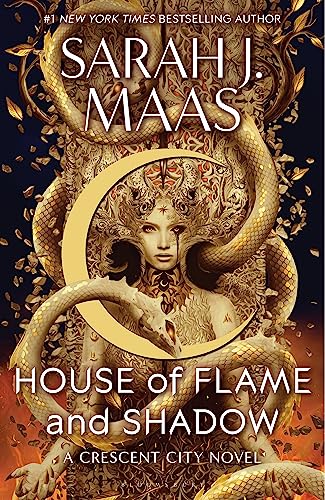

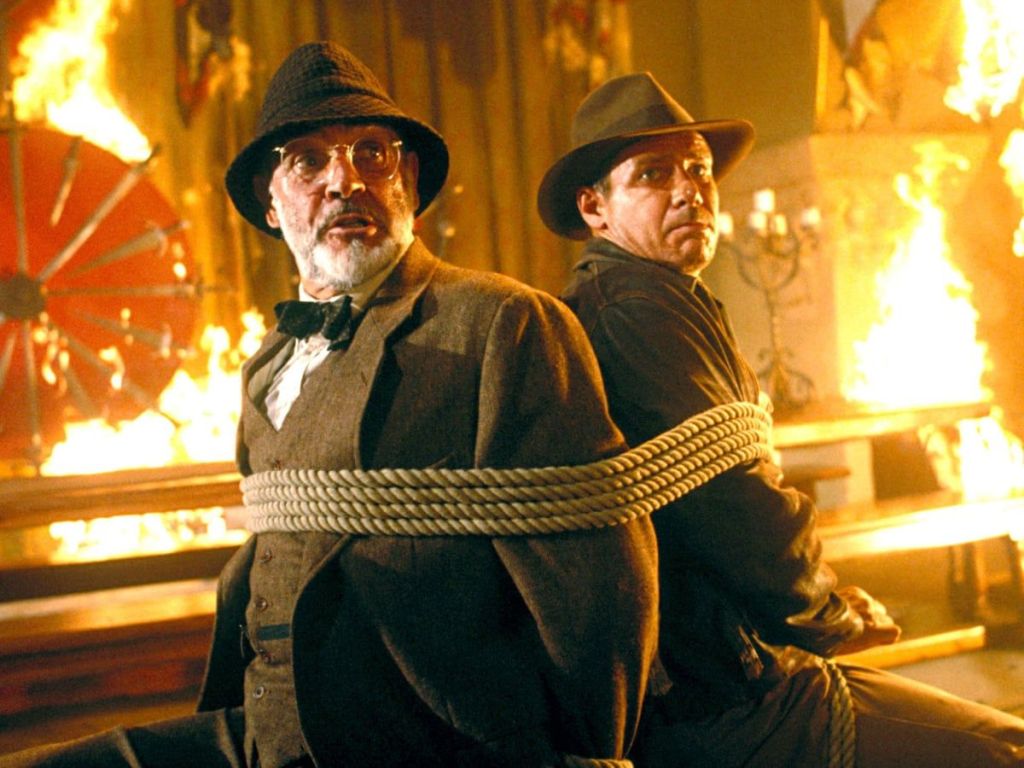
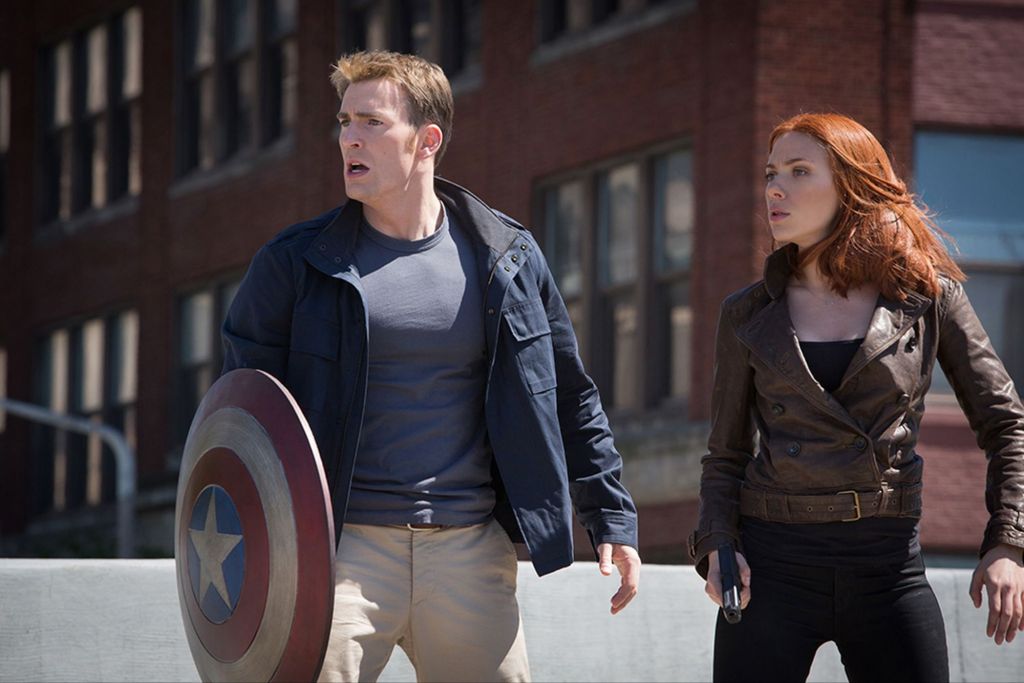




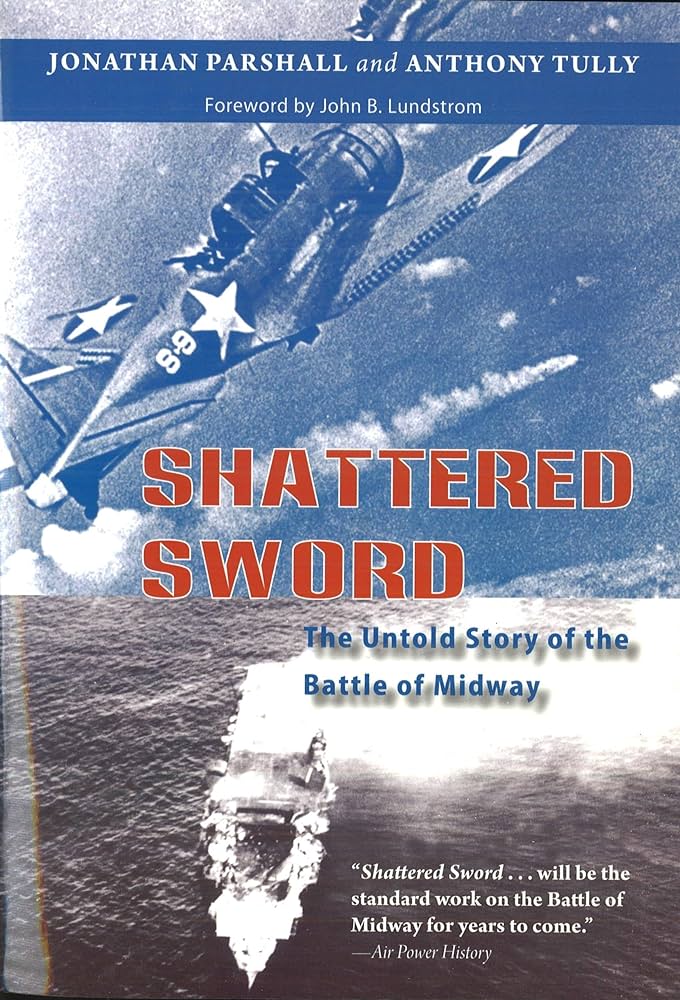
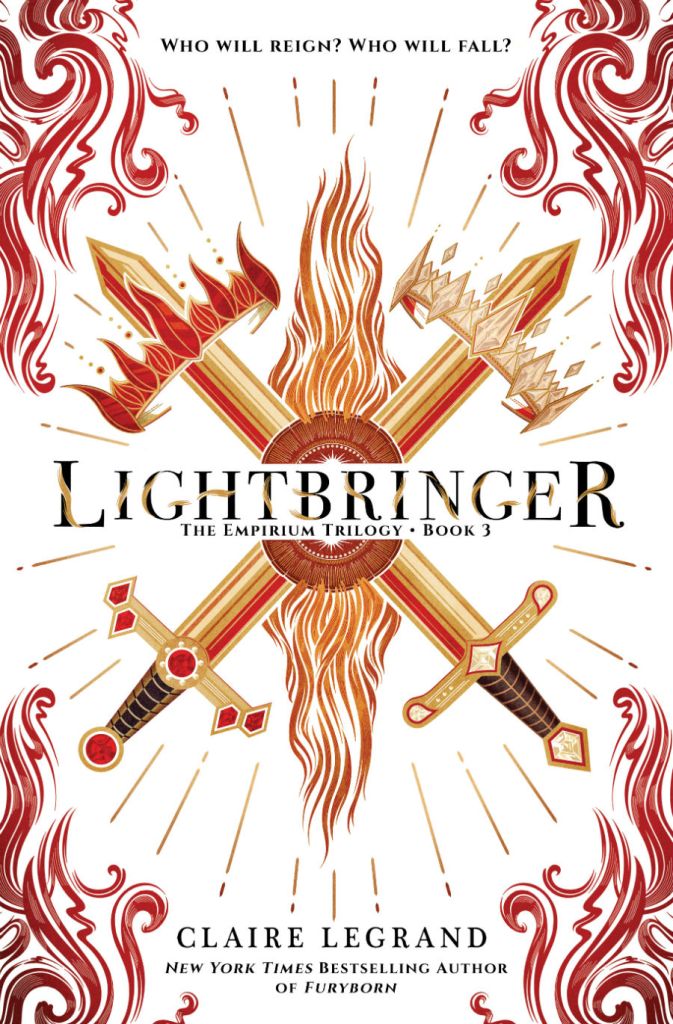


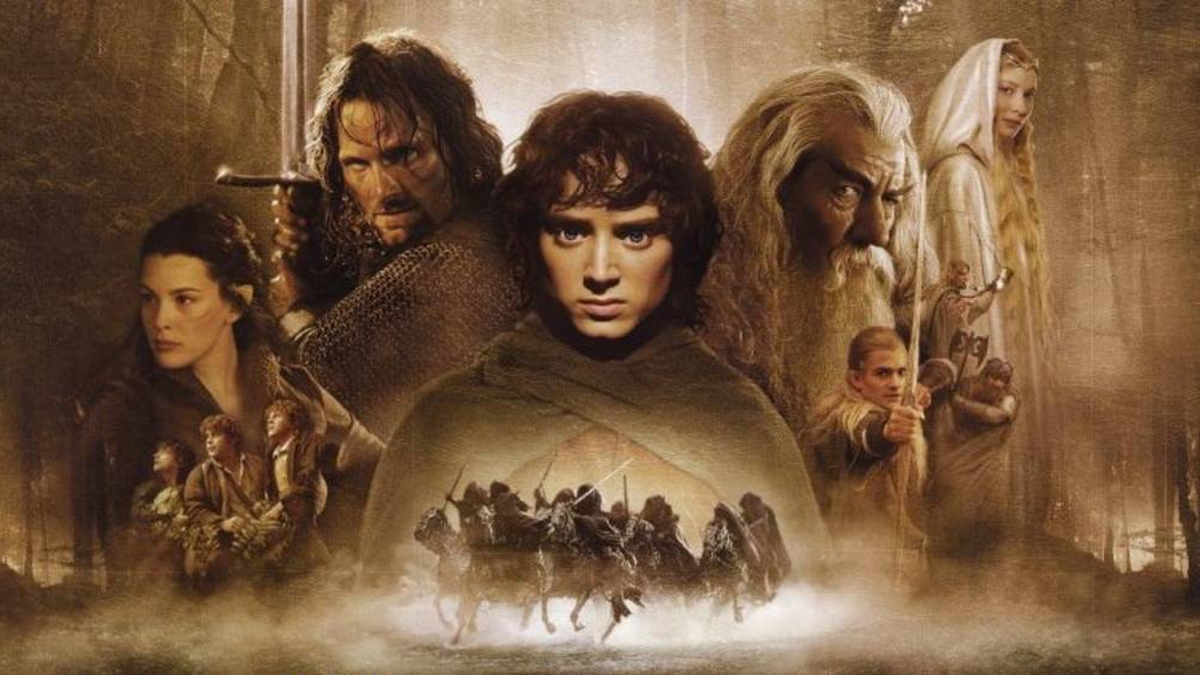
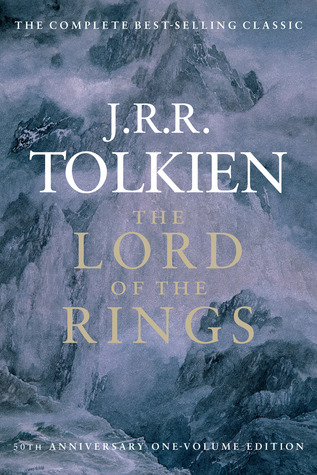
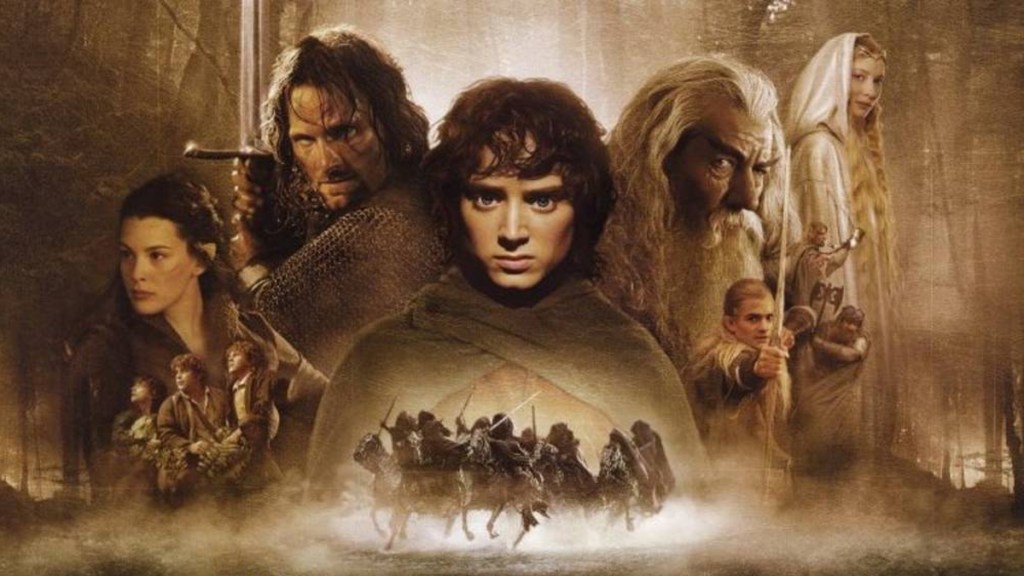
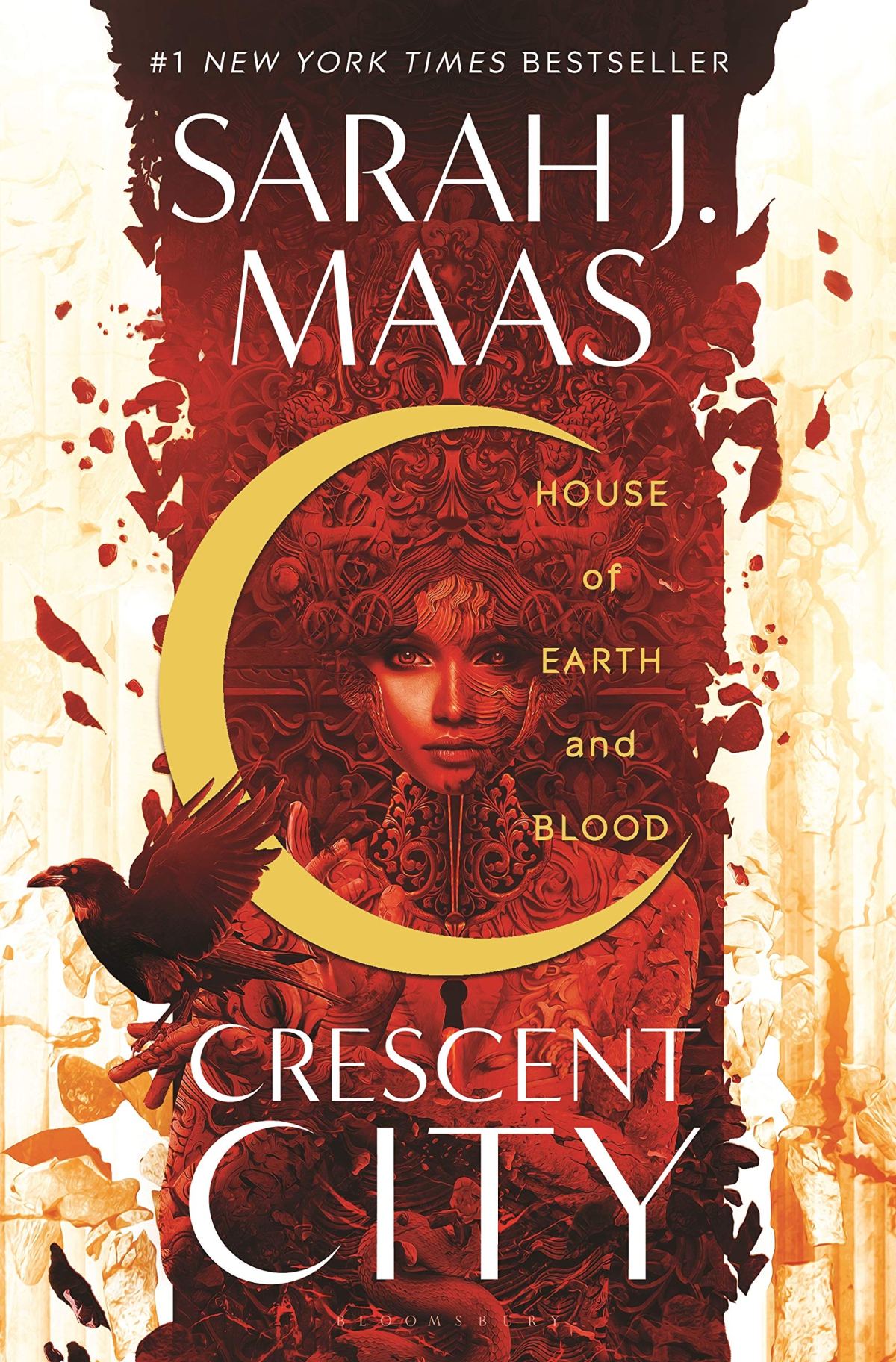
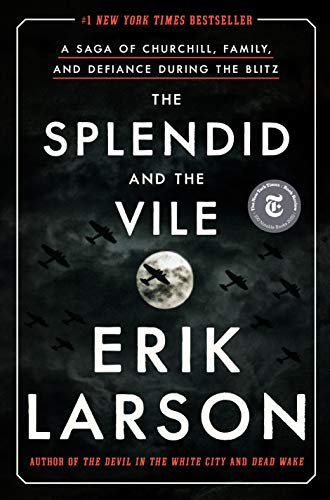
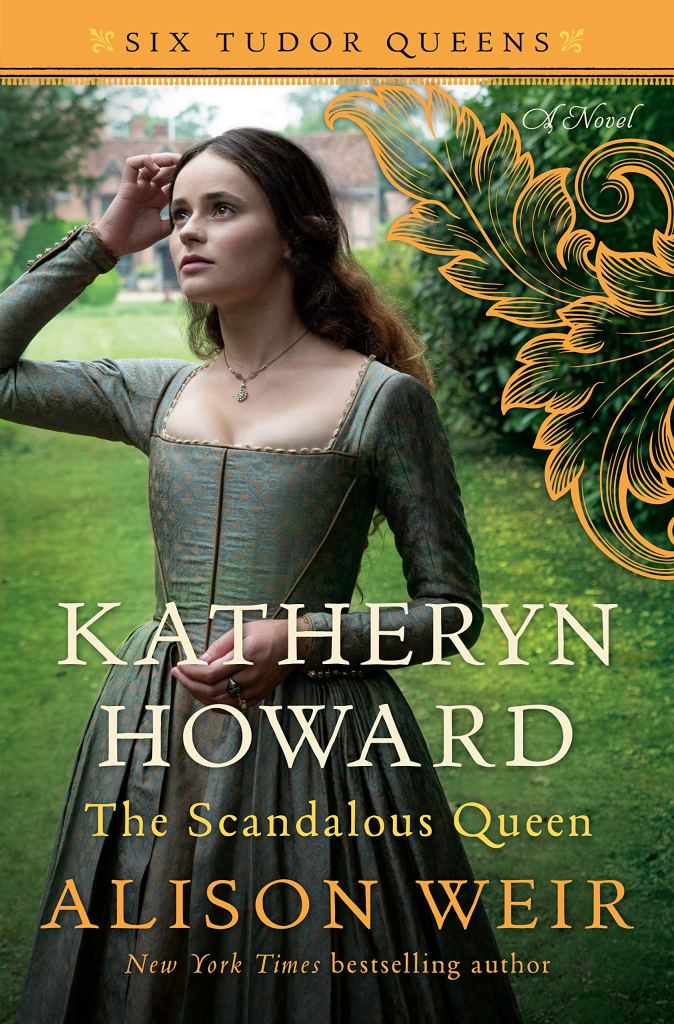
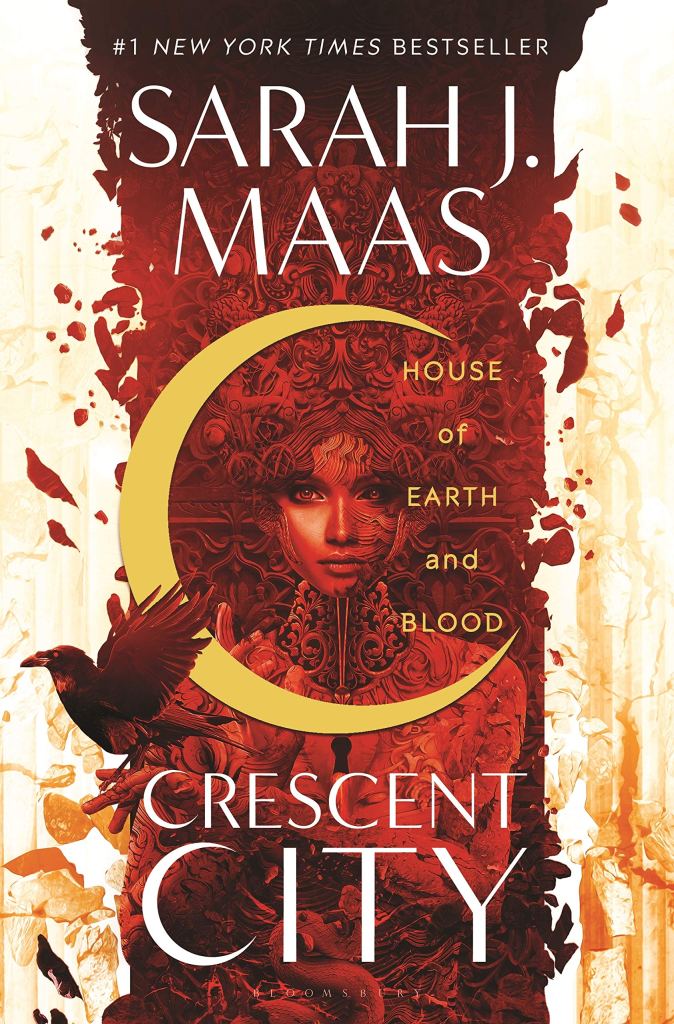

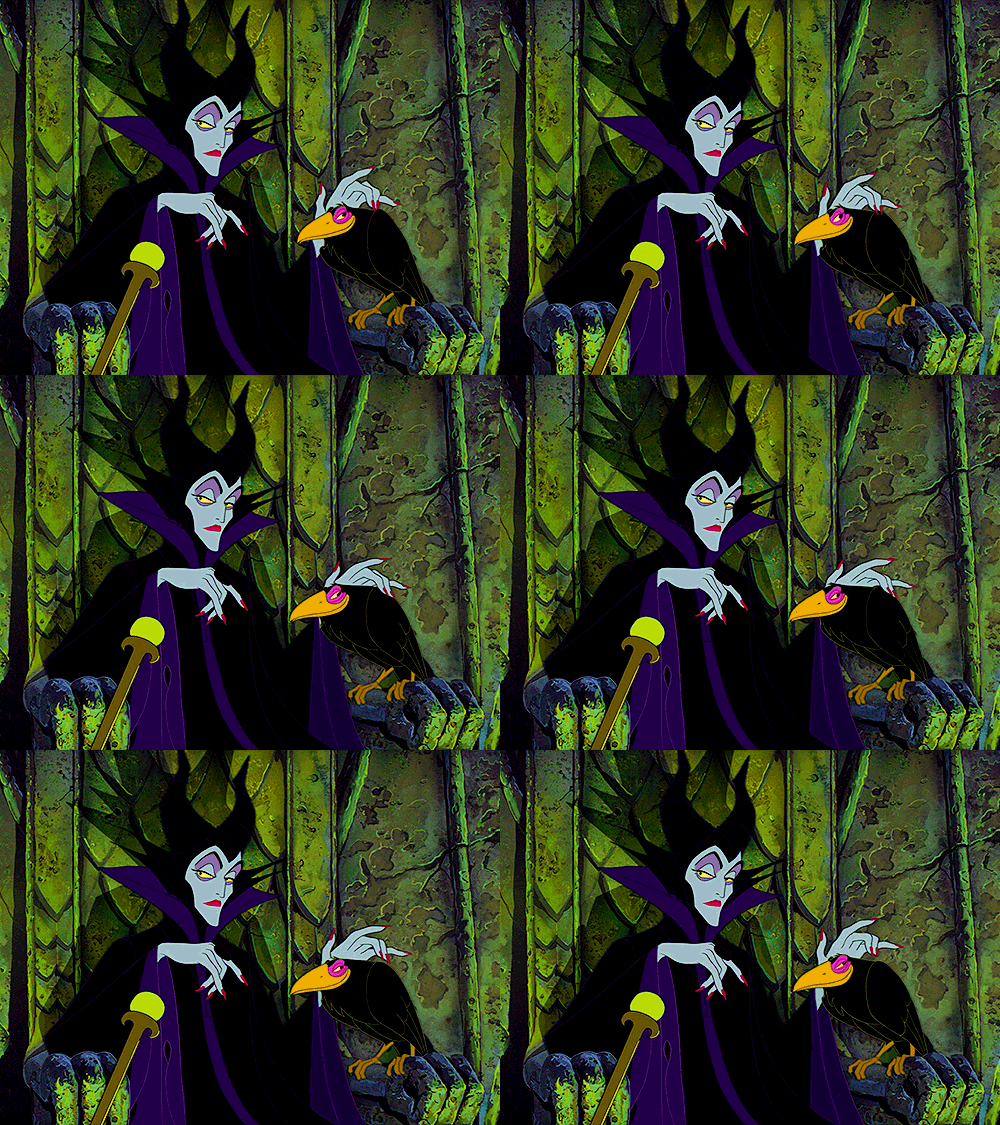

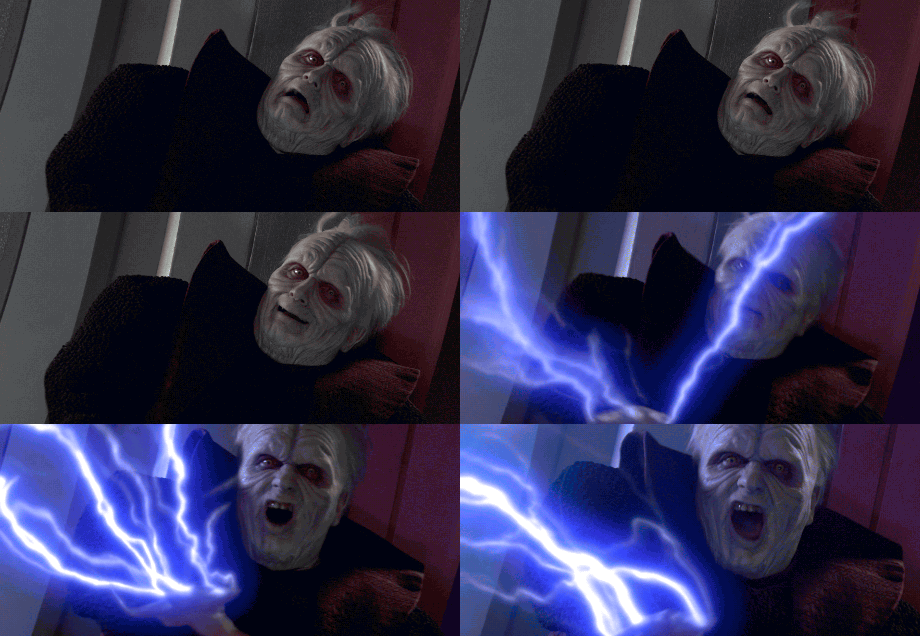
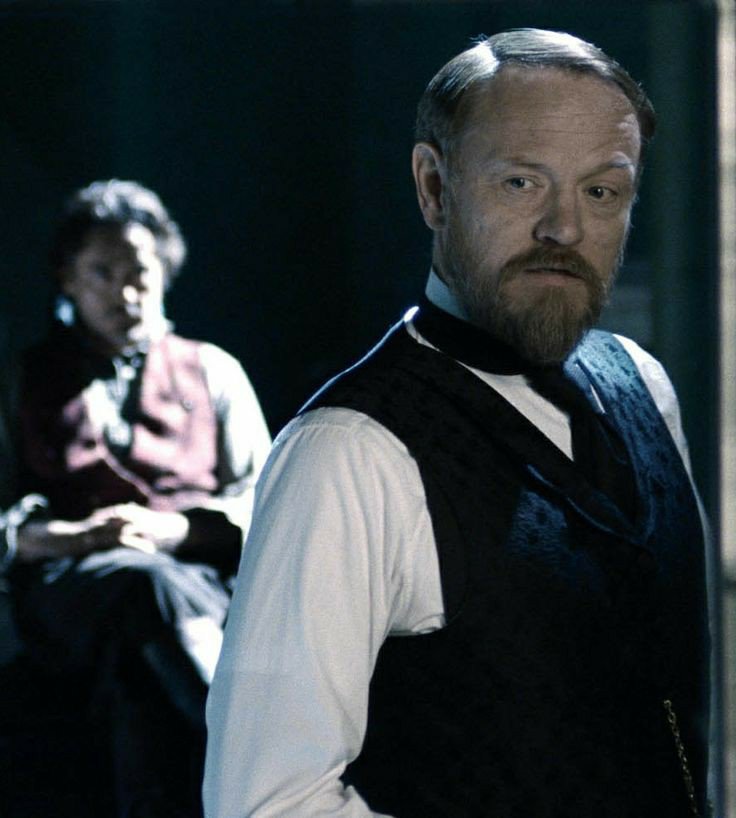
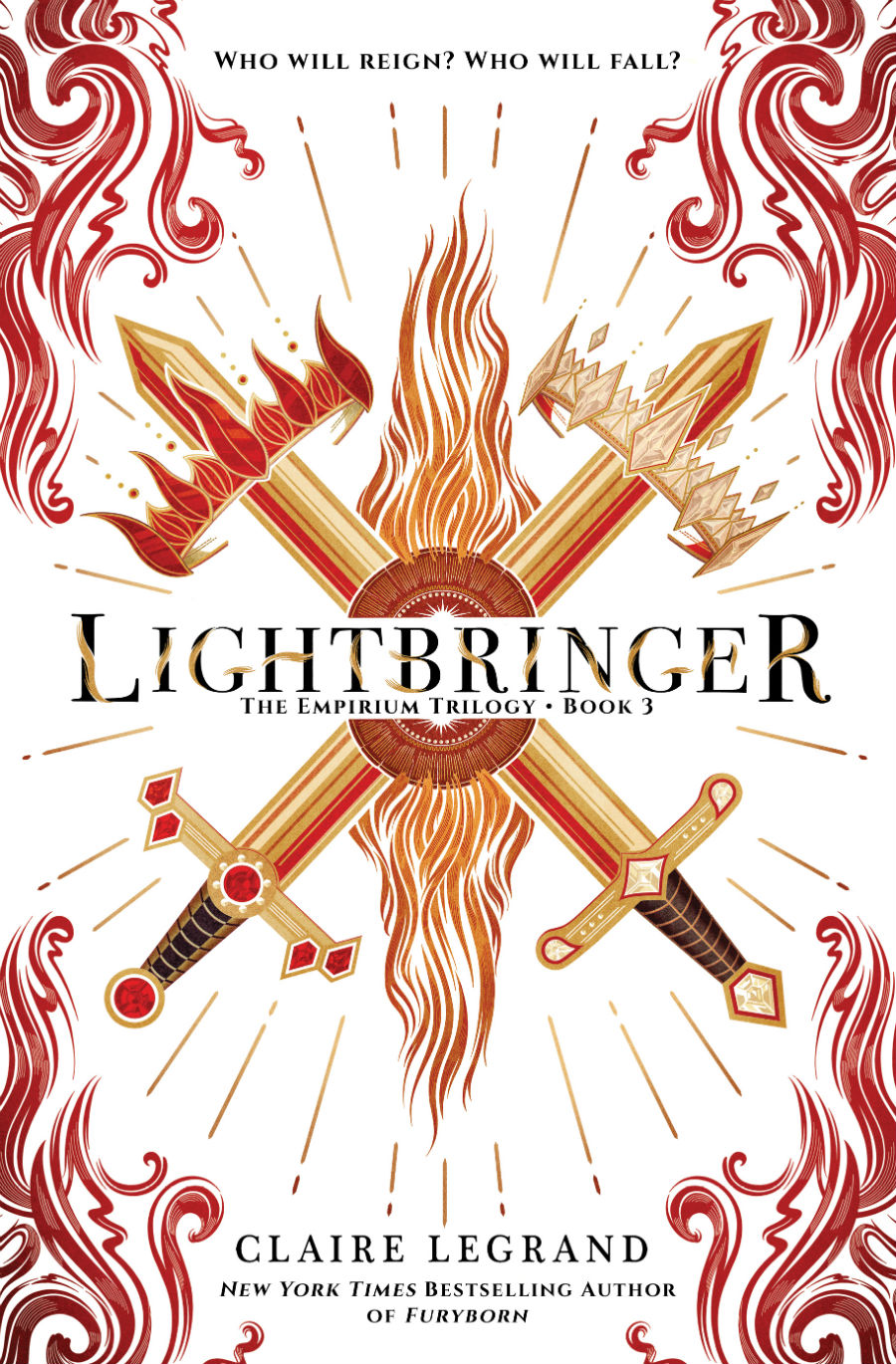


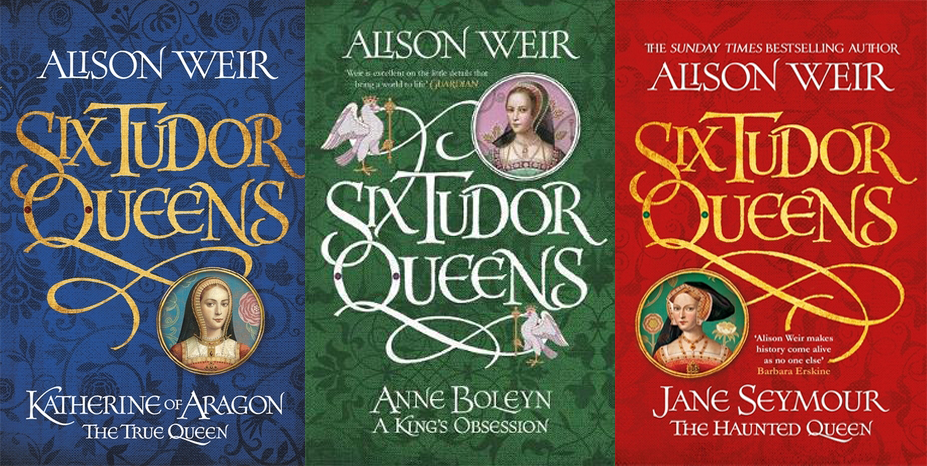

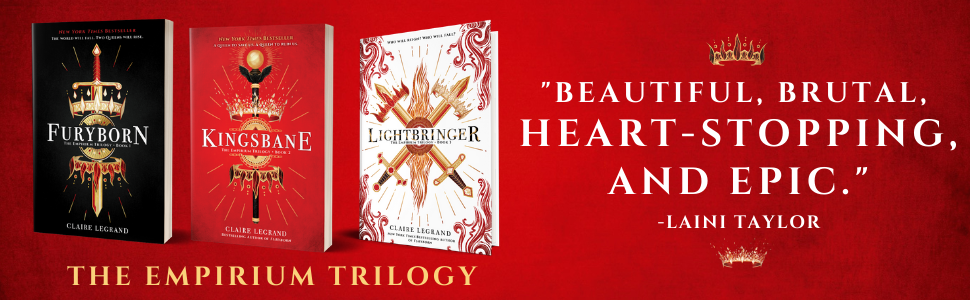
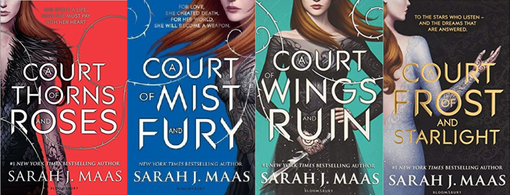
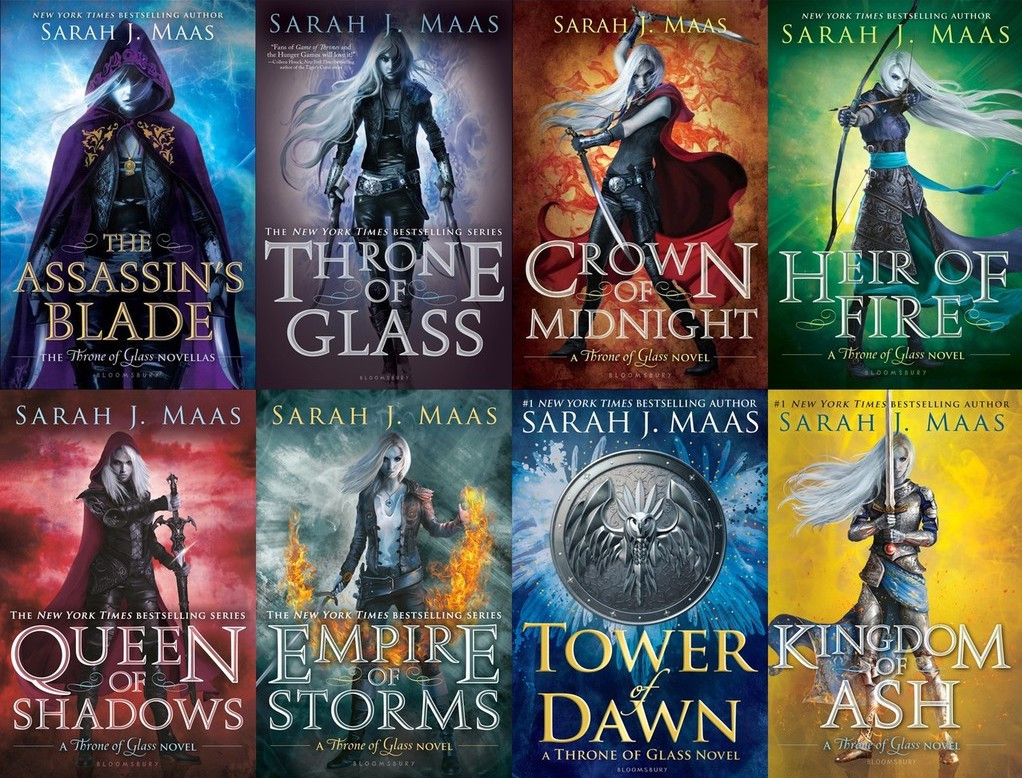
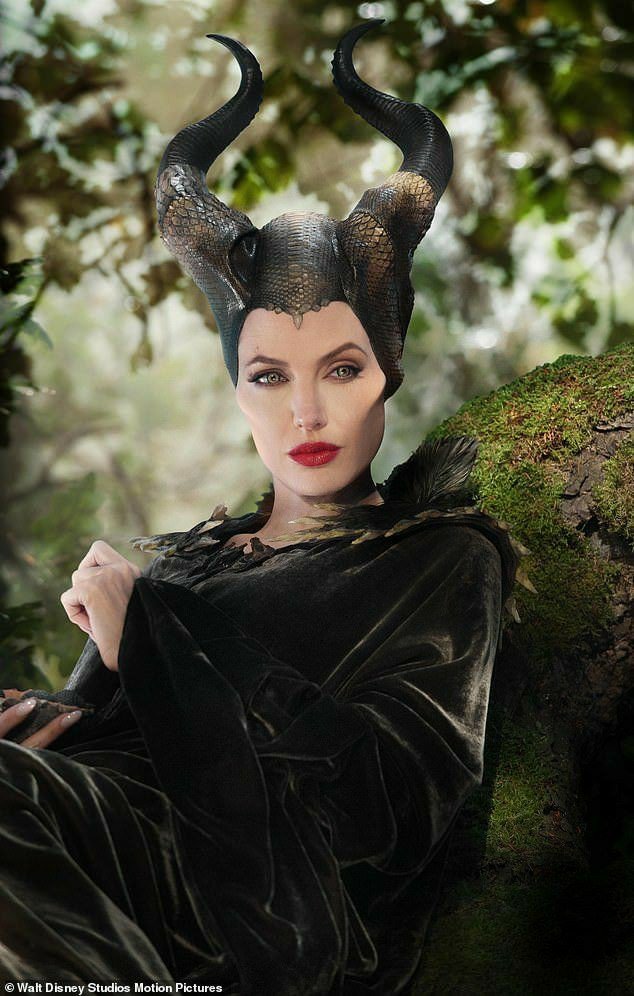


 The Reader's Corner